
Check the toll account outside the payment text
An unexpected demand can imitate a real road expense. Verify the bill through a known toll operator, then give any genuine charge a clear owner.
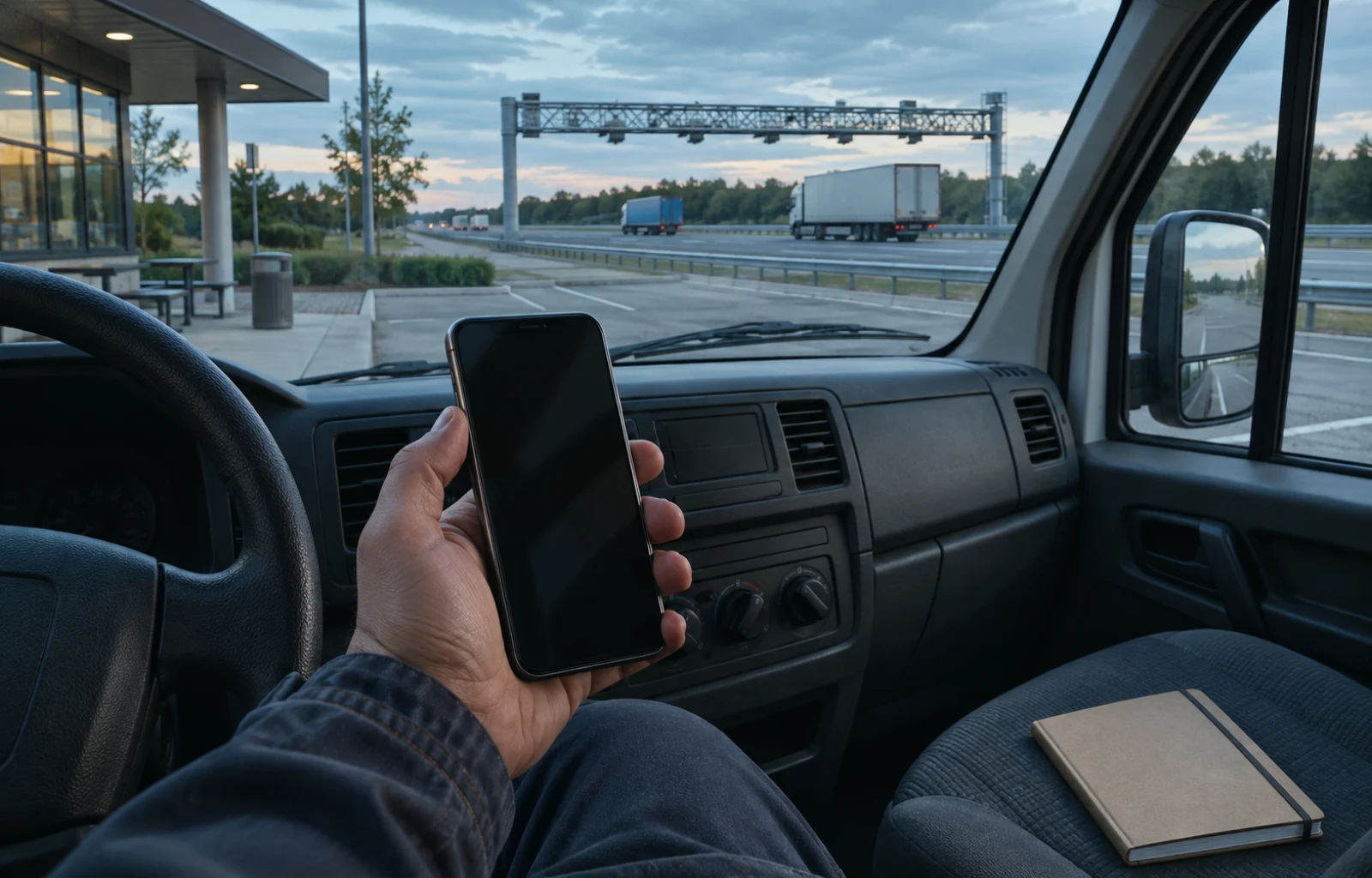
A toll charge is ordinary enough to make an unexpected payment message feel plausible after a long trip. That familiarity is the opening a scam needs. For a delivery driver, a small business sharing vehicles or a family returning from another state, the useful question is how to check a possible bill without using the payment route supplied by a stranger. This resource examines existing federal and toll-agency guidance verified November 6. It reports no new enforcement action or newly measured surge. The task is to separate the message from the account, then resolve any genuine charge through the proper operator.
The Federal Trade Commission describes texts that impersonate tolling agencies, demand immediate payment and lead to pages seeking financial or personal information. Its January 2025 guidance says not to follow links or reply to an unexpected text. Instead, reach the toll agency through a website or telephone number already known to be real. A recent drive through a toll point does not authenticate the sender. MilesNews recommends making that verification while safely parked, with the trip records available, rather than allowing a payment deadline in a message to interrupt driving.
The FBI’s Internet Crime Complaint Center documented the pattern in an April 12, 2024 alert: similar unpaid-toll messages used links impersonating state toll services, with originating numbers changing between states. That is historical evidence of a scheme, not a count of messages circulating today. The FBI calls the technique smishing—phishing delivered by text. For the reader, the important distinction is between recognizing a familiar agency name and reaching that agency independently. A name displayed on a phone is not the account record, and comparing a claimed amount with a remembered toll is not a substitute for checking it.
Use an independent starting point. New York’s February 2025 warning directs uncertain customers to its official E-ZPass and Tolls by Mail websites or customer-service numbers; it says those services will not request sensitive personal information by text or email. That statement applies to those services, rather than establishing every operator’s communication policy. Ohio’s current turnpike homepage provides its own unpaid-toll payment route and customer-service contact. It also tells account holders to keep vehicle plates, payment details and contact information current. The practical method travels across state lines: locate the actual operator first, then inspect the account or ask its staff about the claimed charge.
A fleet adds another question: who is authorized to settle the bill? MilesNews recommends a simple internal handoff identifying the vehicle, travel date, road operator and person responsible for checking the account. A driver who receives a suspicious demand should use the business’s established contact route; forwarding a link with an instruction to pay can simply move the scam to another desk. This is an editorial workflow recommendation, not an agency-mandated form. It also keeps a legitimate invoice from disappearing during the fraud check. Rejecting a message does not determine whether the vehicle incurred a toll; that remains a separate account question.
Industry sponsor From load to settlement, keep it connected.
Follow the workflow ↗
After checking, report the suspicious message without visiting its website. The FTC recommends the phone’s junk-reporting option or forwarding unwanted texts to 7726, then deleting them. The FBI asks complainants to include the sending number and website listed in the text when reporting to IC3. Those details can be recorded without opening the destination. If a link was already followed or information supplied, the FBI advises securing personal information and financial accounts and disputing unfamiliar charges. E-ZPass Group guidance similarly calls for contacting the financial institution after completing a fraudulent form; do not use the suspect message to find that institution’s contact details.
The stopping point is a verified account decision, not a more convincing-looking text. Before a multi-state trip, a household can save its actual toll-account contact; a business can decide who checks charges when vehicles and drivers rotate. After a demand arrives, keep payment information out of the conversation until the operator has been reached independently. A real balance can then follow the normal billing process. A fraudulent demand can be reported and removed without becoming an unauthorized card payment or an unresolved expense passed from driver to dispatcher.
Route check
- Verify unexpected toll demands through a known operator website or number.
- Assign a clear account-checking owner for shared or fleet vehicles.
- Report suspicious texts; secure accounts promptly if information was shared.