Route archive

Every road note,
newest first.

Corridor changes, parking, route weather, navigation, roadside response, maintenance, and the decisions that shape the trip.

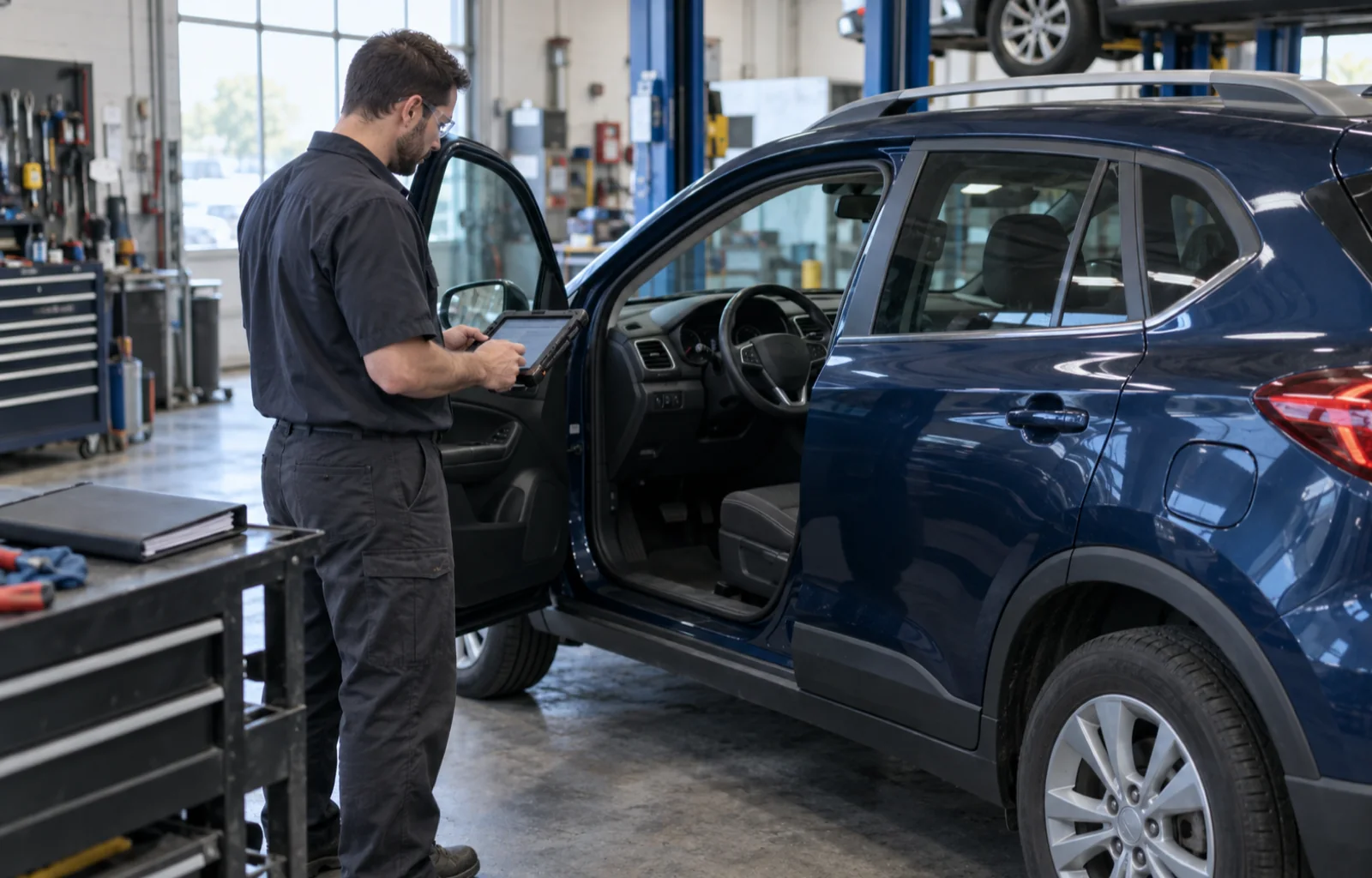
A trained technician reviews diagnostic information beside a used blue crossover with its intact steering wheel visible through the open driver door

A VIN search cannot clear a replacement air bag

NHTSA's latest fatality alert exposes a hole in the usual used-vehicle check: illegally imported inflators are aftermarket parts outside the VIN recall record, so crash history and trained inspection carry the decision.
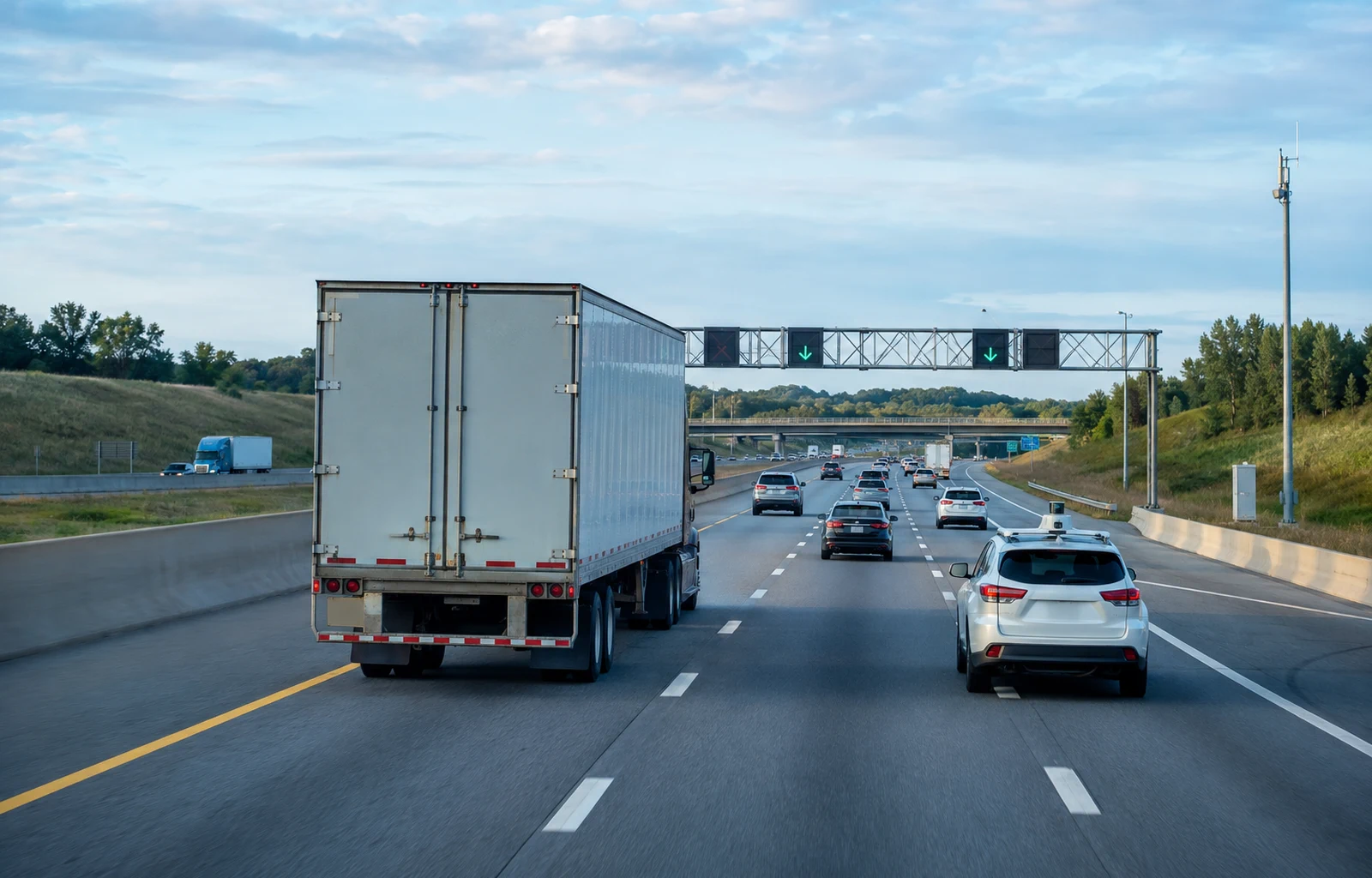
A tractor-trailer and passenger vehicles, including a sensor-equipped SUV, share an interstate beneath lane-control signals

The automated corridor still has to work as one road

USDOT's new automated-vehicle strategy reaches freight, passenger traffic and state lines. Its practical road test is whether new vehicles can share today's corridor before digital upgrades add anything.

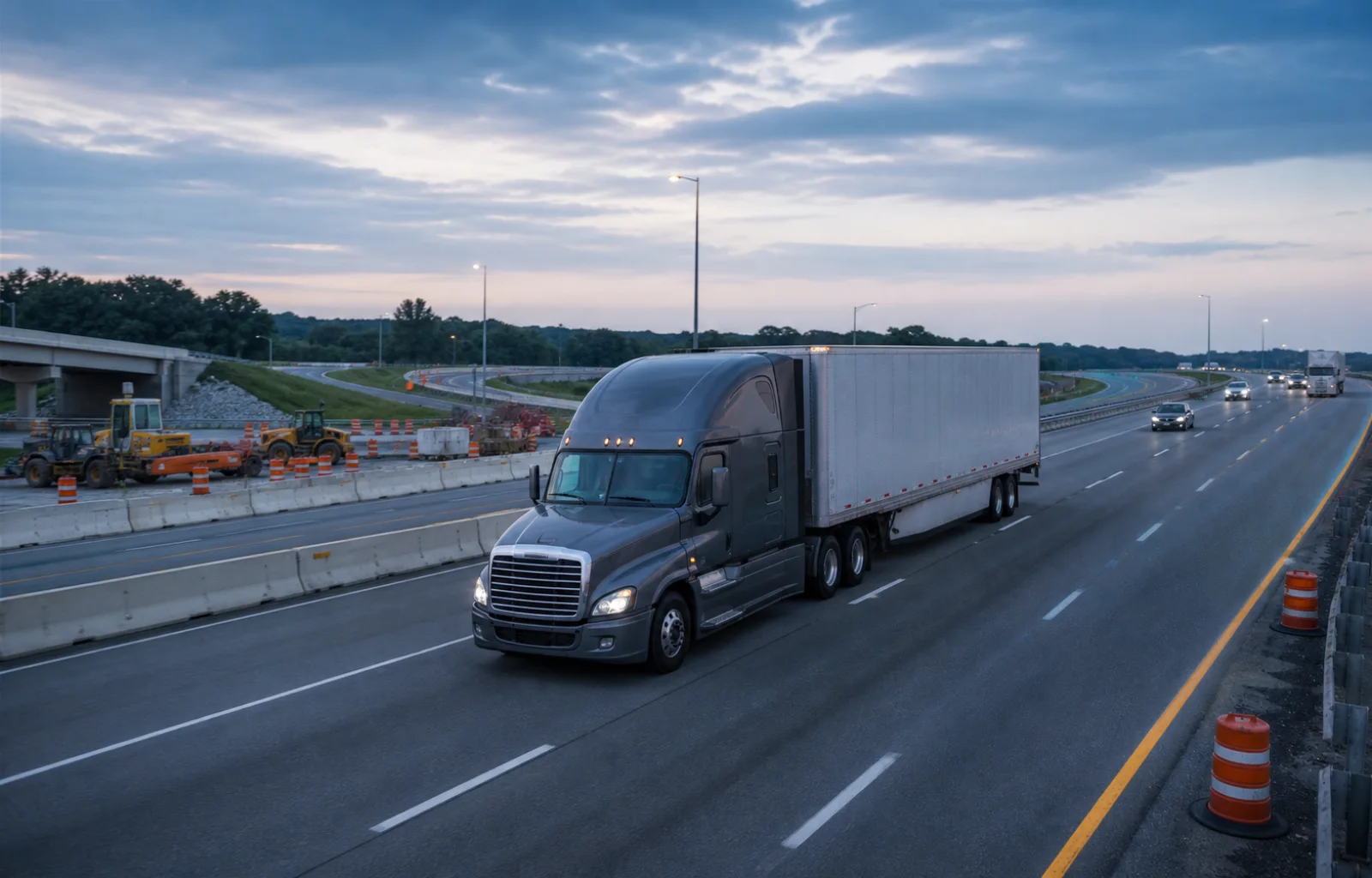
A tractor-trailer moves through an interstate interchange while construction equipment and barrels remain staged safely beyond the travel lanes at dawn

A quieter work zone can still stop a load

Labor Day schedules in Arizona, Ohio and Pennsylvania put two different road controls on nearly the same clock. Routine work restrictions may pause while some permitted loads must stop moving altogether.

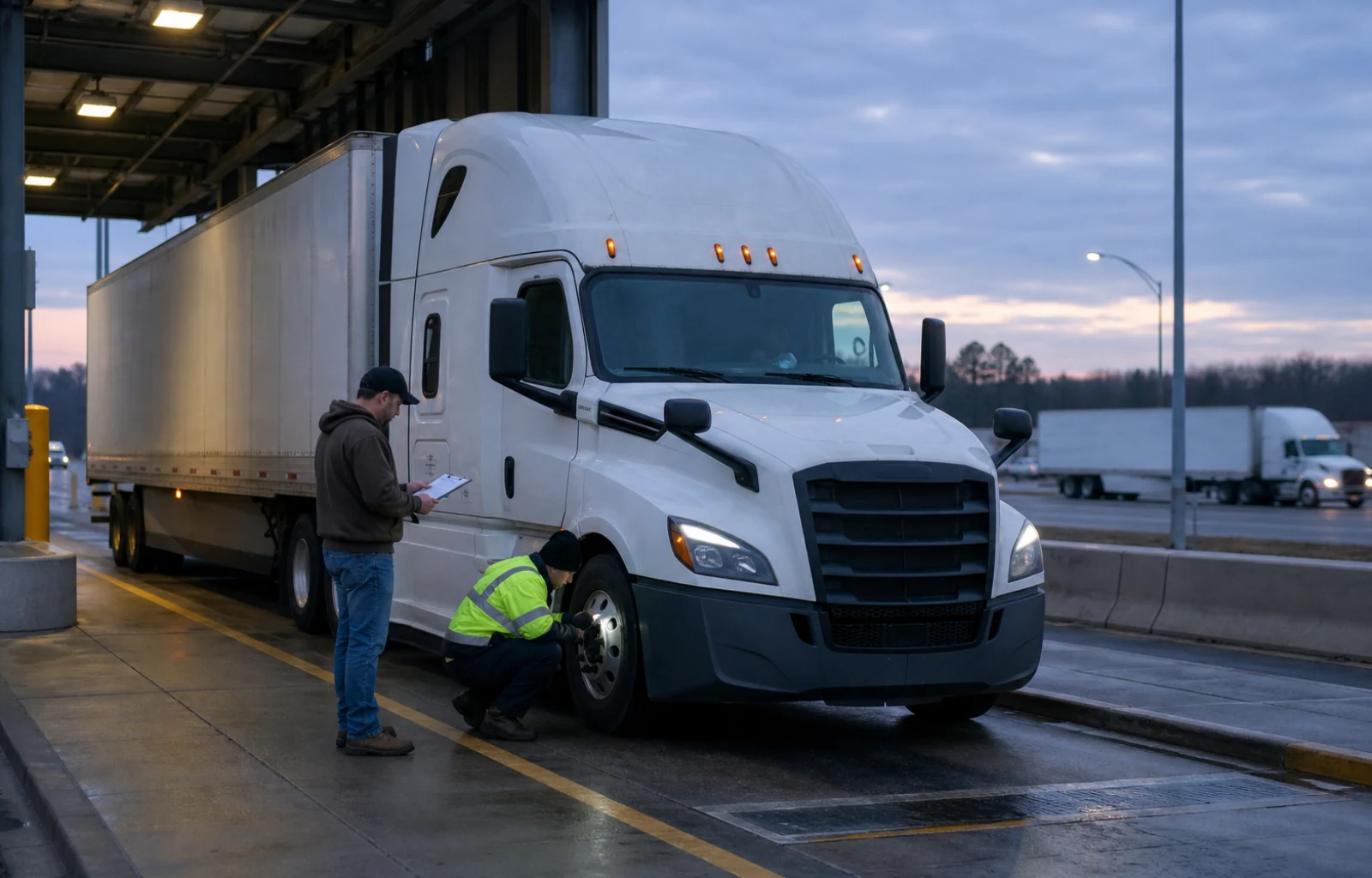
A commercial truck driver waits while an inspector examines a front wheel in a dedicated roadside inspection bay

The inspection lane has two ways to stop a trip

CVSA's 2026 Roadcheck results separate the machine from the person operating it. That distinction explains why one inspection stop can produce two different kinds of delay—and why neither side of trip readiness can stand in for the other.

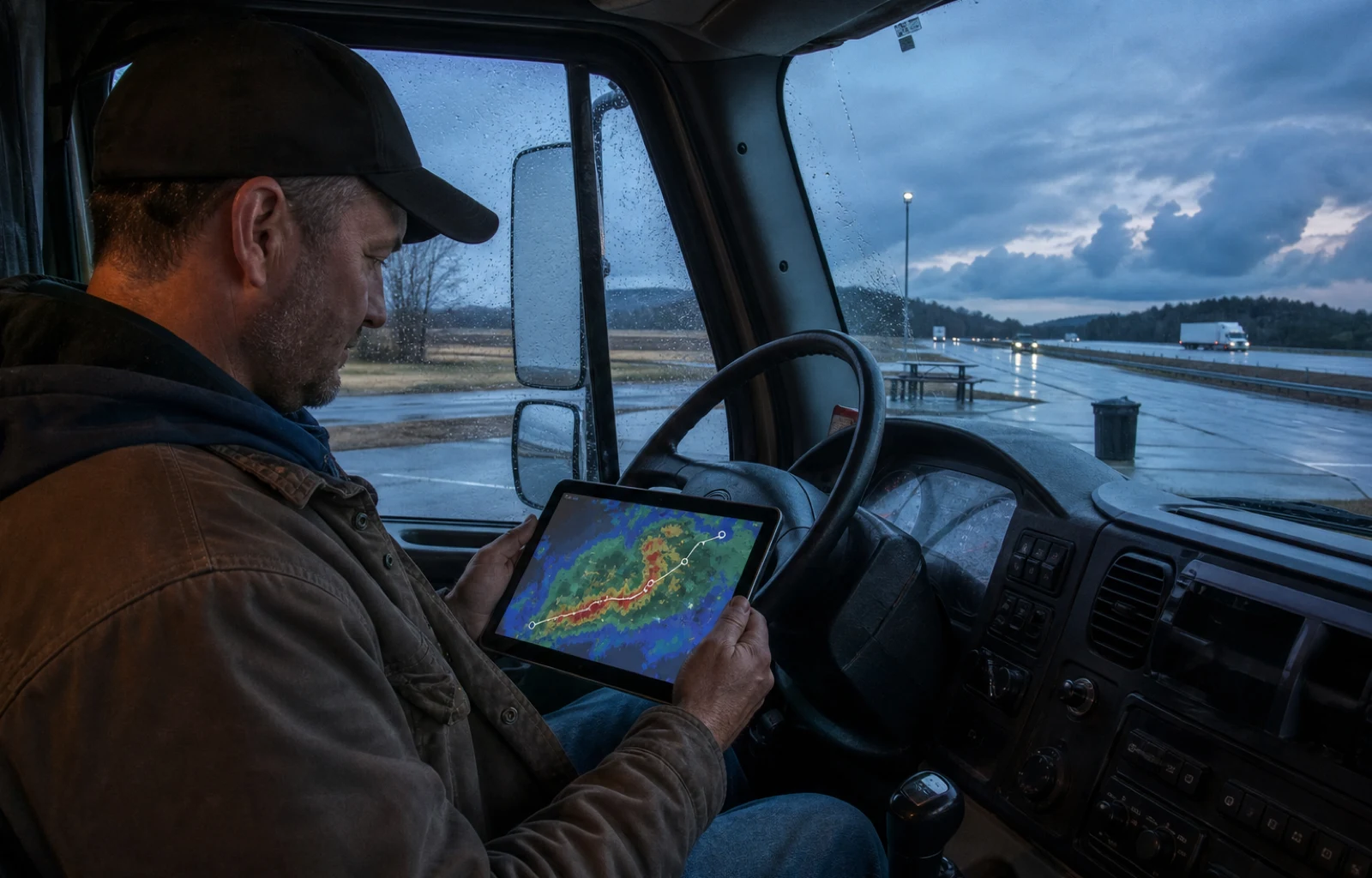
A parked truck driver reviews a storm route on a tablet at a rain-soaked interstate rest area

The front moves east; the warning stays local

WPC is tracking one storm system across several freight regions from Wednesday into Thursday. The broad forecast starts the plan, but the alert stage determines when a local road decision becomes action.

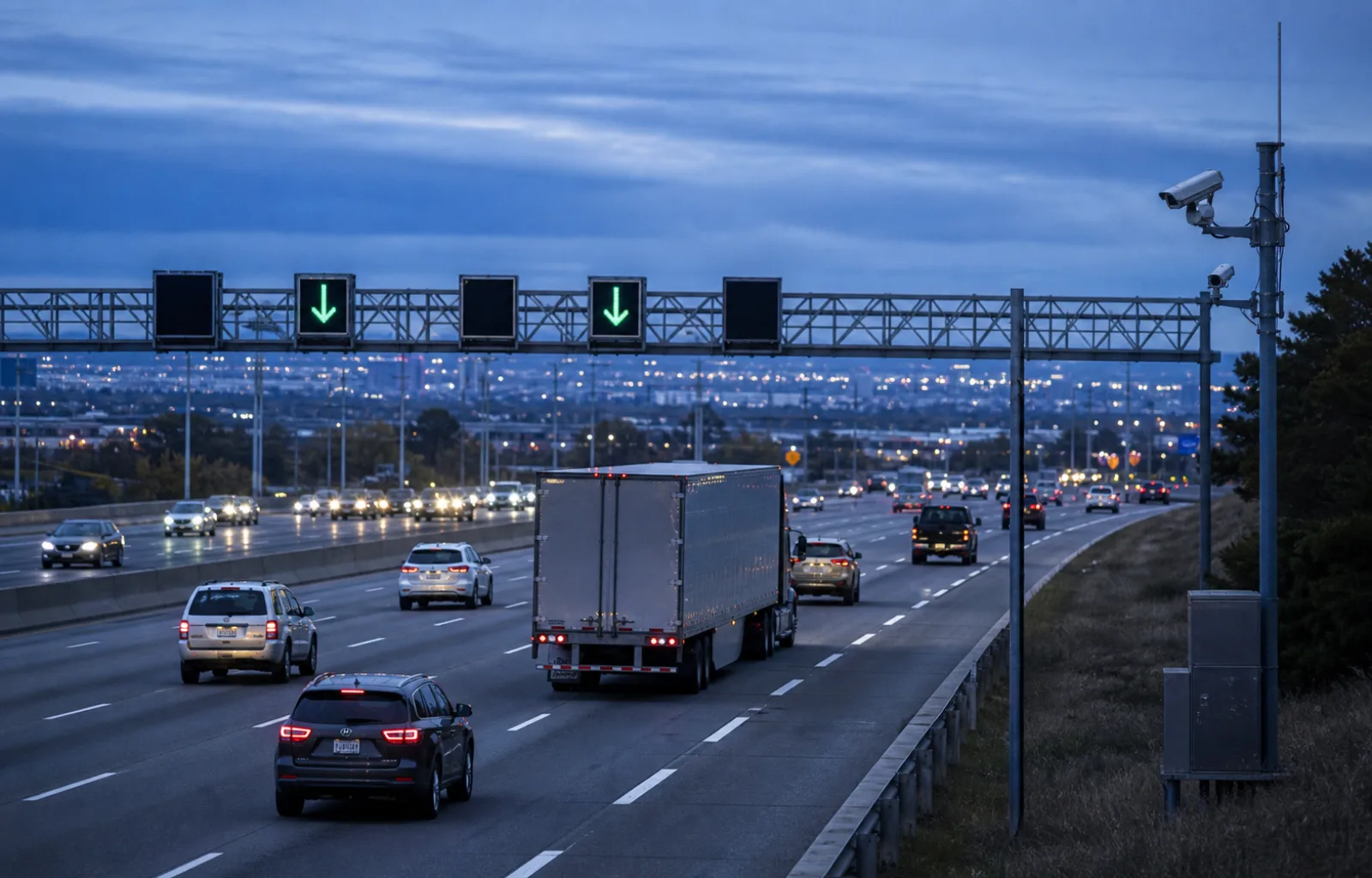
A semi truck and passenger vehicles travel beneath electronic lane-control gantries and roadside traffic cameras at blue hour

The next highway AI rollout has to fit the control room

FHWA posted a national AI road map Monday, while a federal evaluation of Tennessee's I-24 deployment shows both the promise and the limit: software can spot a forming problem early, but road operators still need warnings they can verify and use.

A truck driver checks a semi truck's steer-tire pressure before sunrise at a Southern Plains parking area

The South-Central heat wave moves the pretrip toward dawn

Dangerous heat now spans several major freight regions and is forecast to last into next week. The road decision is not simply whether to drive through it, but when to inspect, where to recover and what a hot reading can hide.

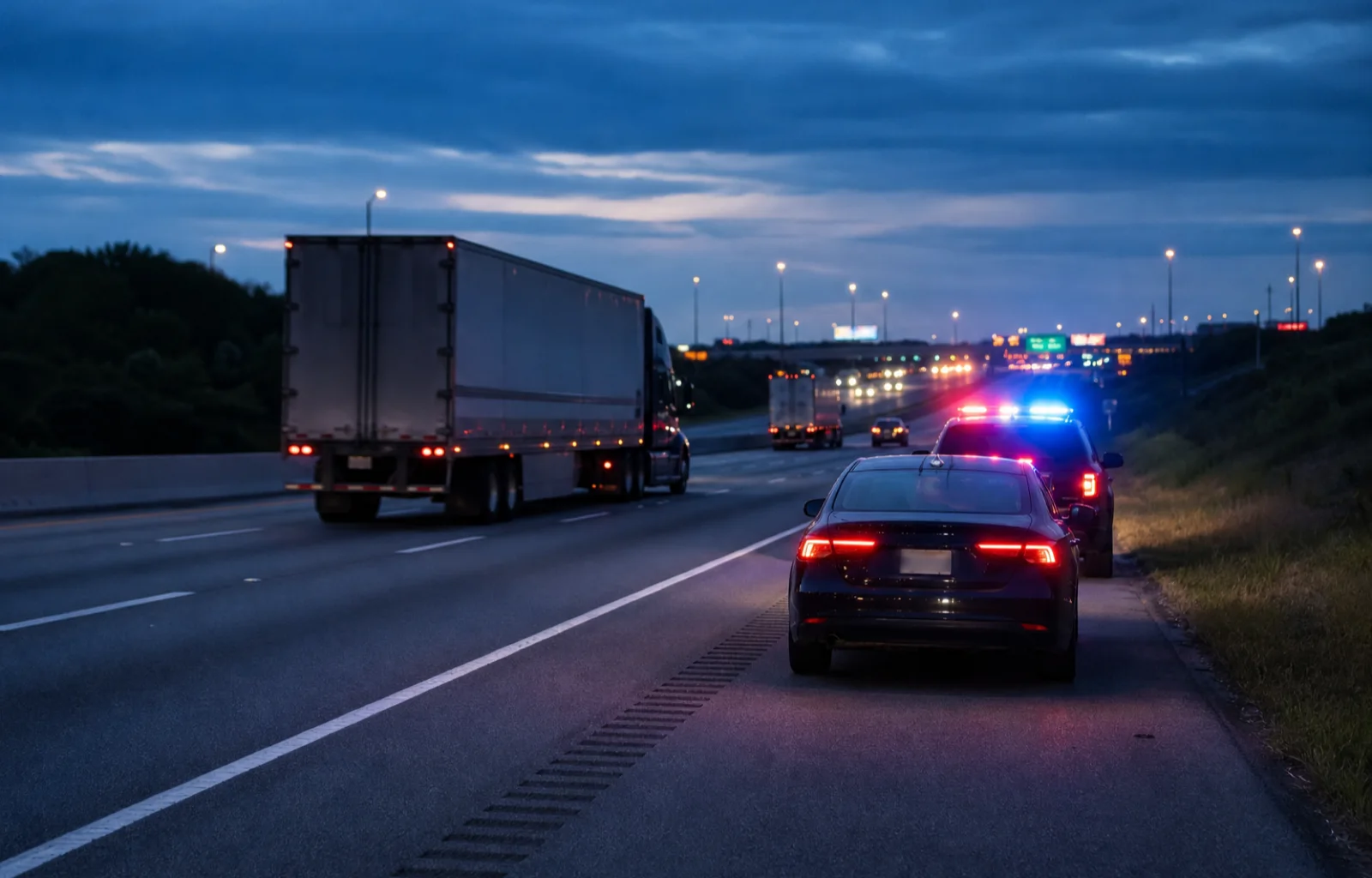
A semi truck passes a patrol vehicle and stopped car on an interstate shoulder at blue hour

The Labor Day road watch has already started

NHTSA's nationwide impaired-driving campaign is active through September 7. For overnight drivers, the practical change begins before the holiday traffic does: more enforcement, more shoulder activity and one more reason to leave room in the trip plan.

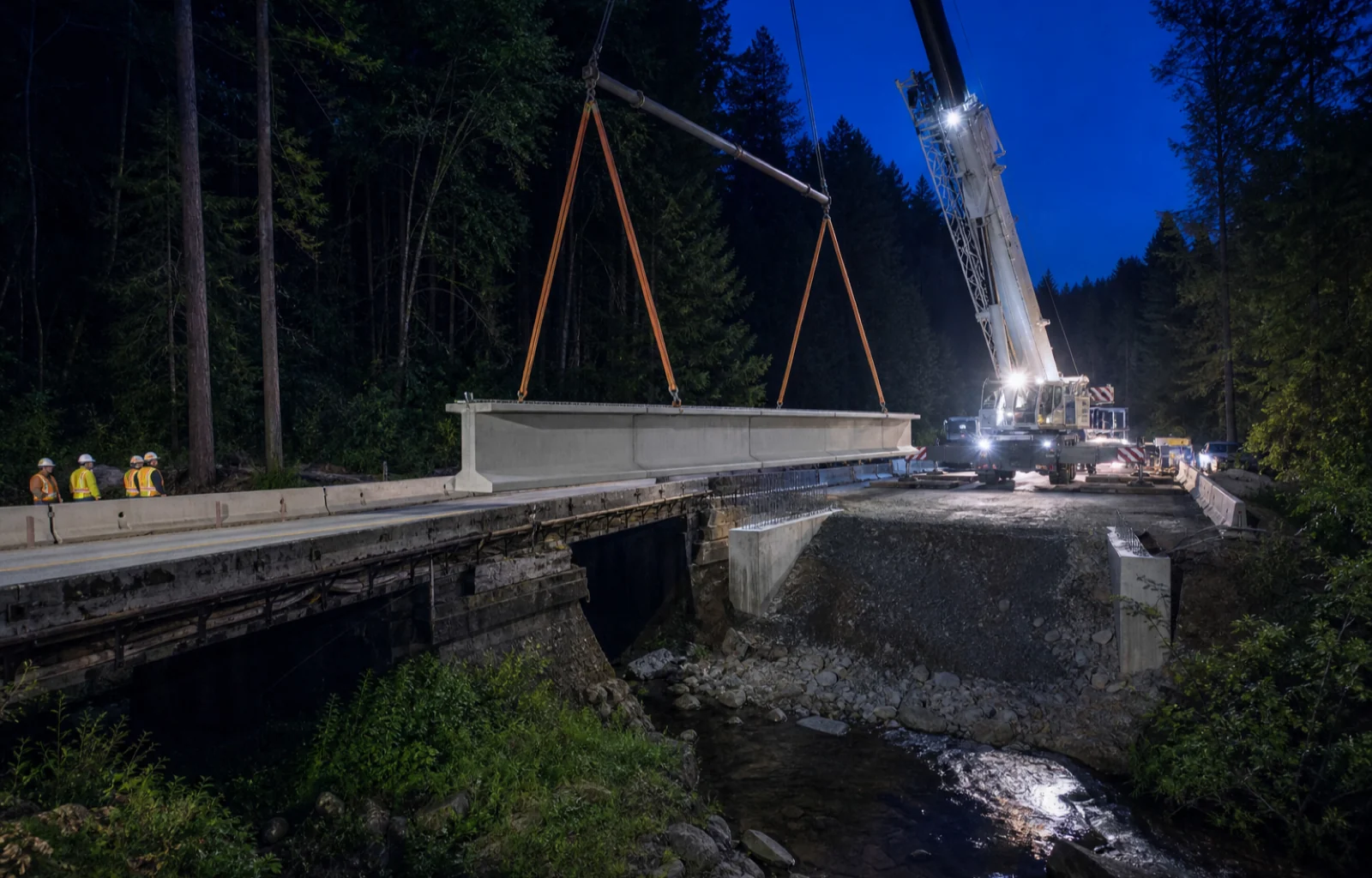
A crane lifts a concrete bridge girder above a closed forest highway at night

Highway 9's closed night ends at a red light

A ten-hour closure north of Boulder Creek will make room for new bridge girders. When the highway reopens the next morning, round-the-clock one-way signal control returns, so the trip changes again instead of returning to normal.

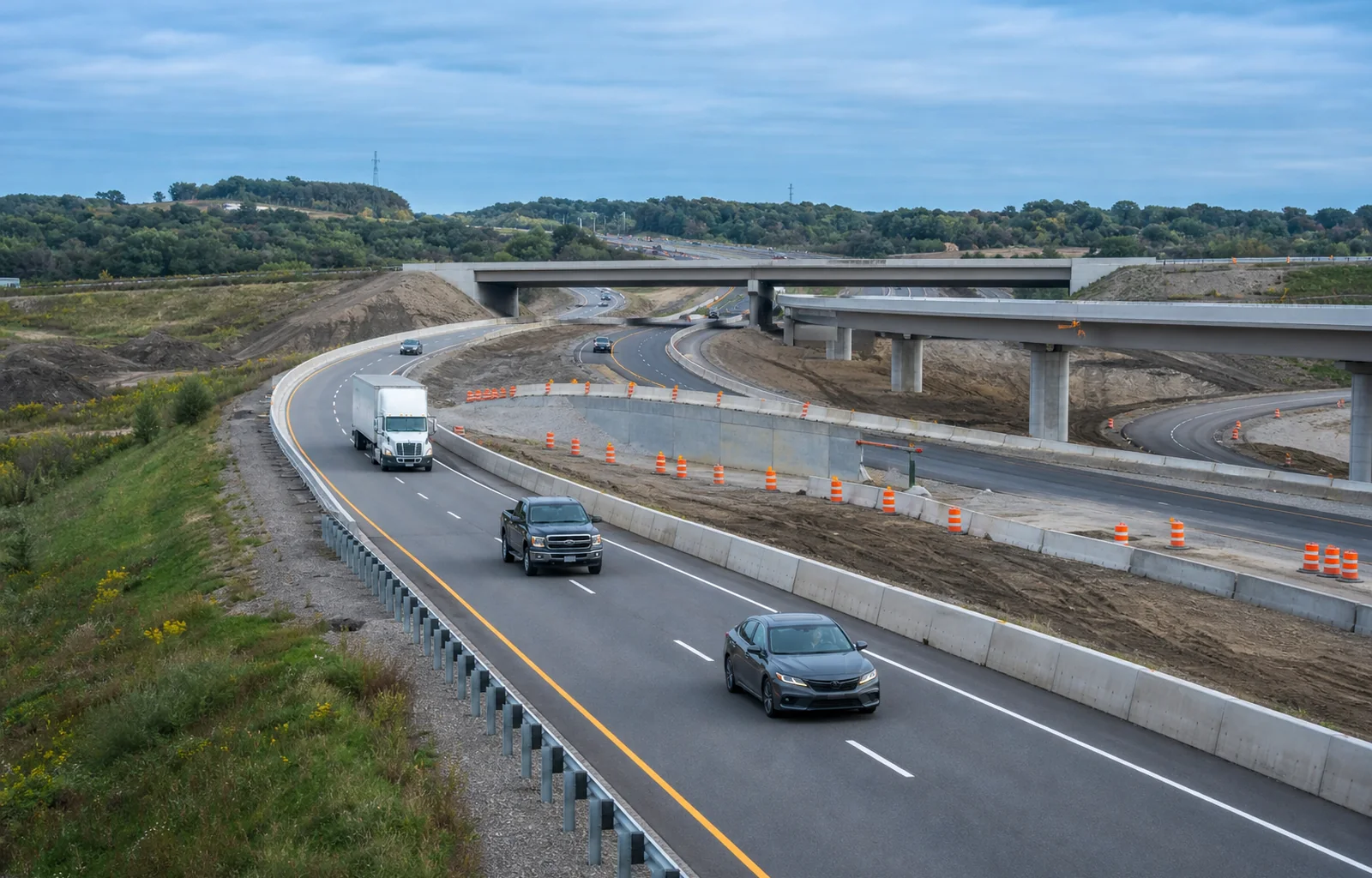
Cars and a semi-truck use an open interstate ramp beside closed ramps and bridge work

At I-90 and Highway 52, open is a turn-by-turn word

A rebuilt ramp reopened southeast of Rochester on Tuesday, but four other movements still carry detours. At a changing interchange, the route question has to include both where a traveler enters and where the traveler intends to leave.

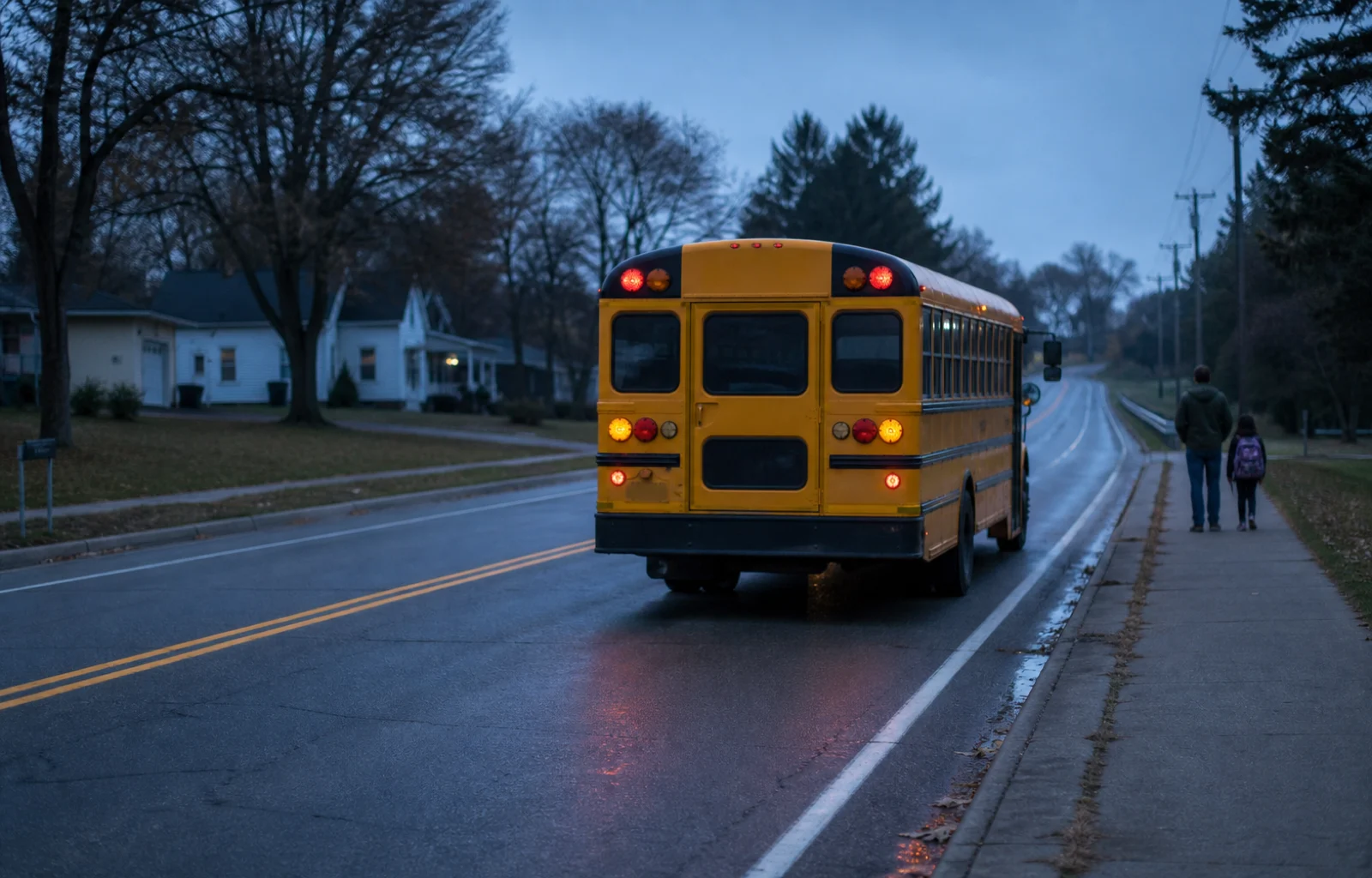
A school bus approaches an adult and child waiting on the same roadside sidewalk at dawn

A school-bus stop changes the road before the red lights

Wisconsin's School Transportation Safety Week arrives as familiar routes fill again with buses, students and crossing guards. The safest adjustment begins before a driver reaches the flashing lights.

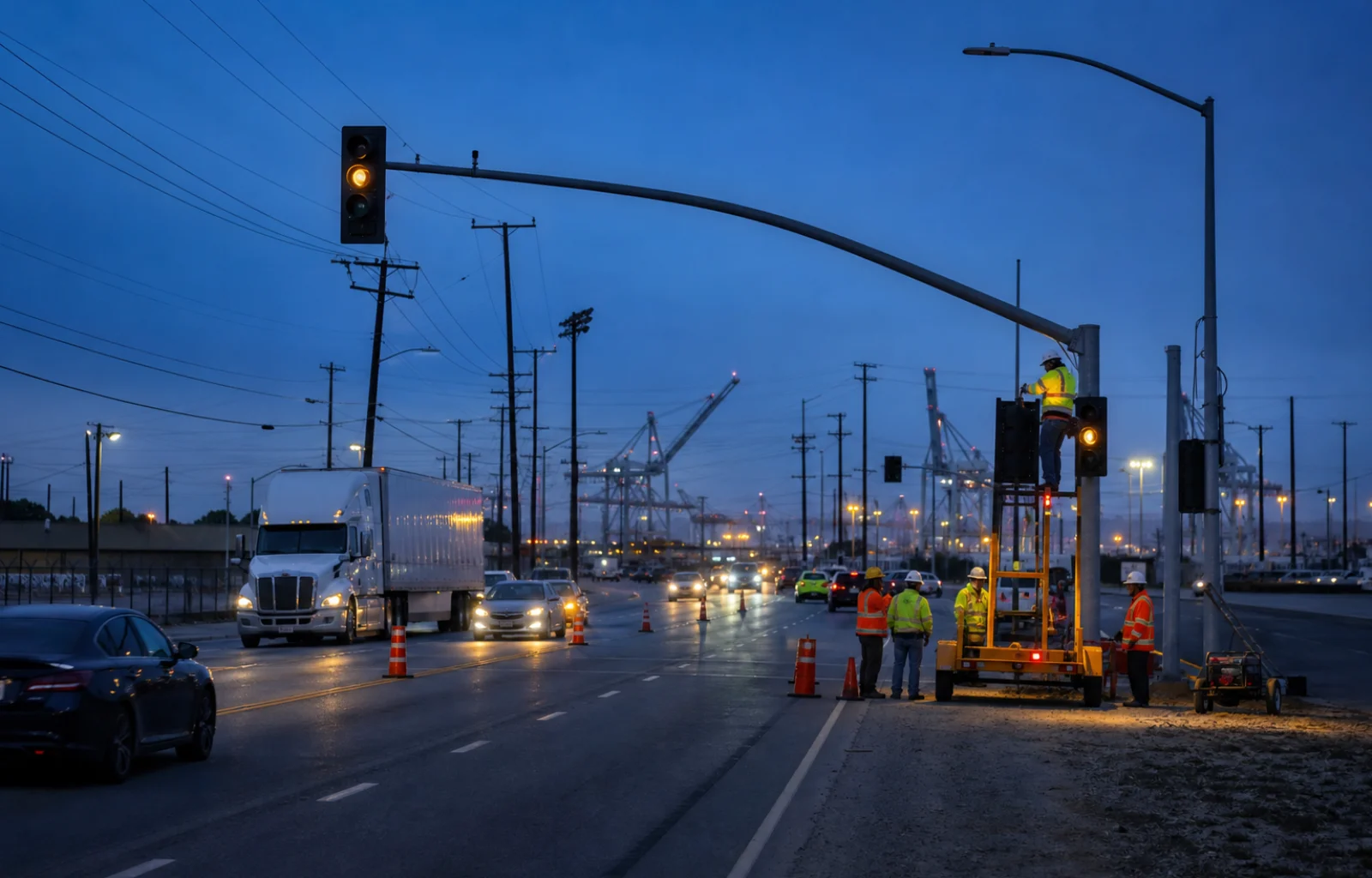
Road workers install a temporary traffic signal beside evening traffic on an industrial Wilmington highway

PCH's night lane work is a preview, not the detour

Overnight lane reductions return to Pacific Coast Highway in Wilmington this week for a temporary signal. Traffic will keep moving in both directions, and the much larger Vincent Thomas Bridge closure is still ahead.

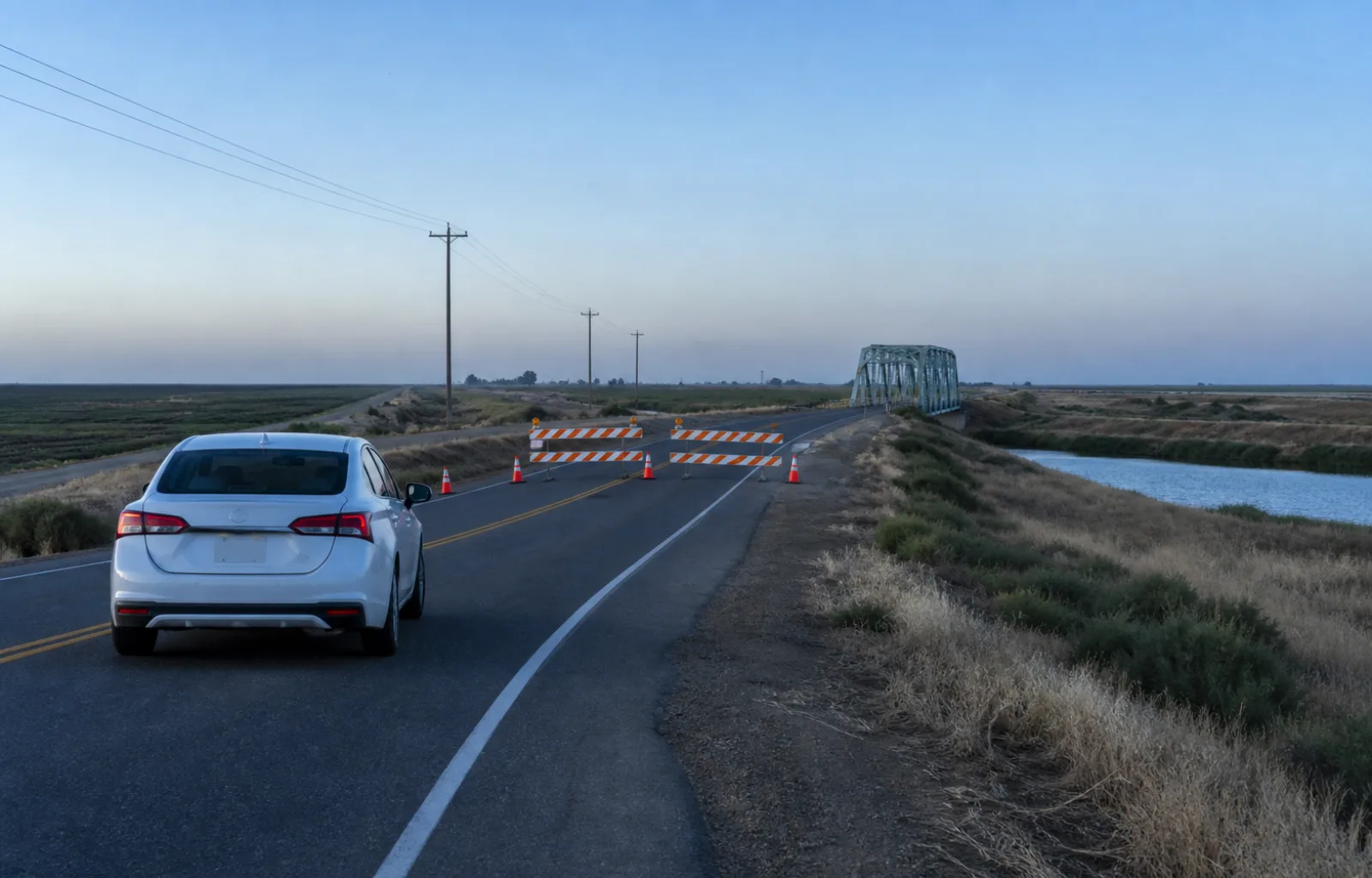
A car stopped before orange barricades on a two-lane Delta highway leading to a small steel bridge

On SR 4, the detour is now part of the trip

California's Delta highway is fully closed east of Discovery Bay until Monday morning. The signed loop can add 30 to 40 minutes, and the bridge restriction waiting after reopening needs a separate plan.

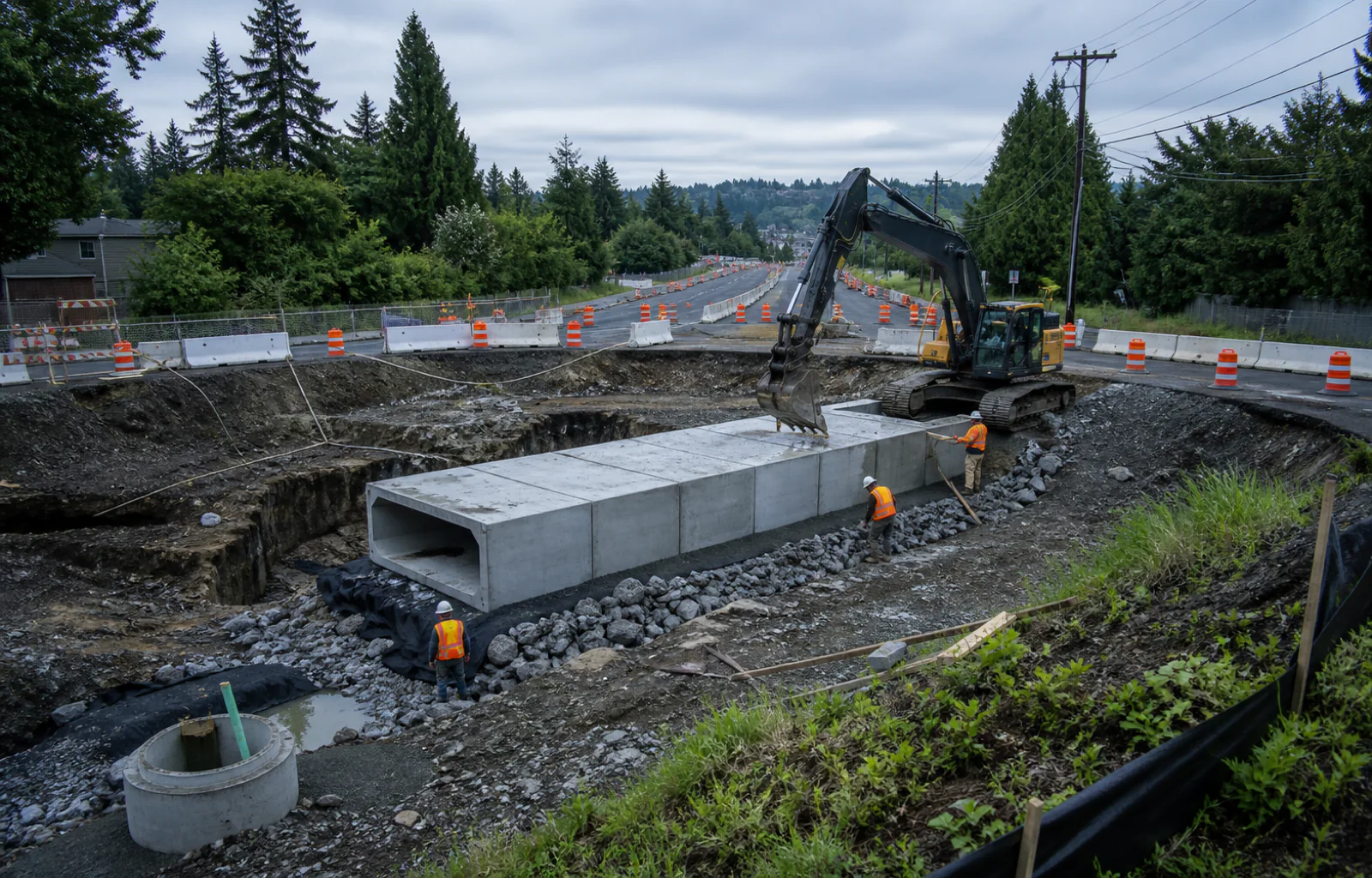
Crews installing a concrete fish-passage structure beneath an excavated Pacific Northwest highway

The SR 161 detour has a second finish line

The ten-day closure between Federal Way and Milton is scheduled to end Monday morning, but the corridor immediately shifts into weeks of continuous lane restrictions. The useful plan looks past the barricade removal.

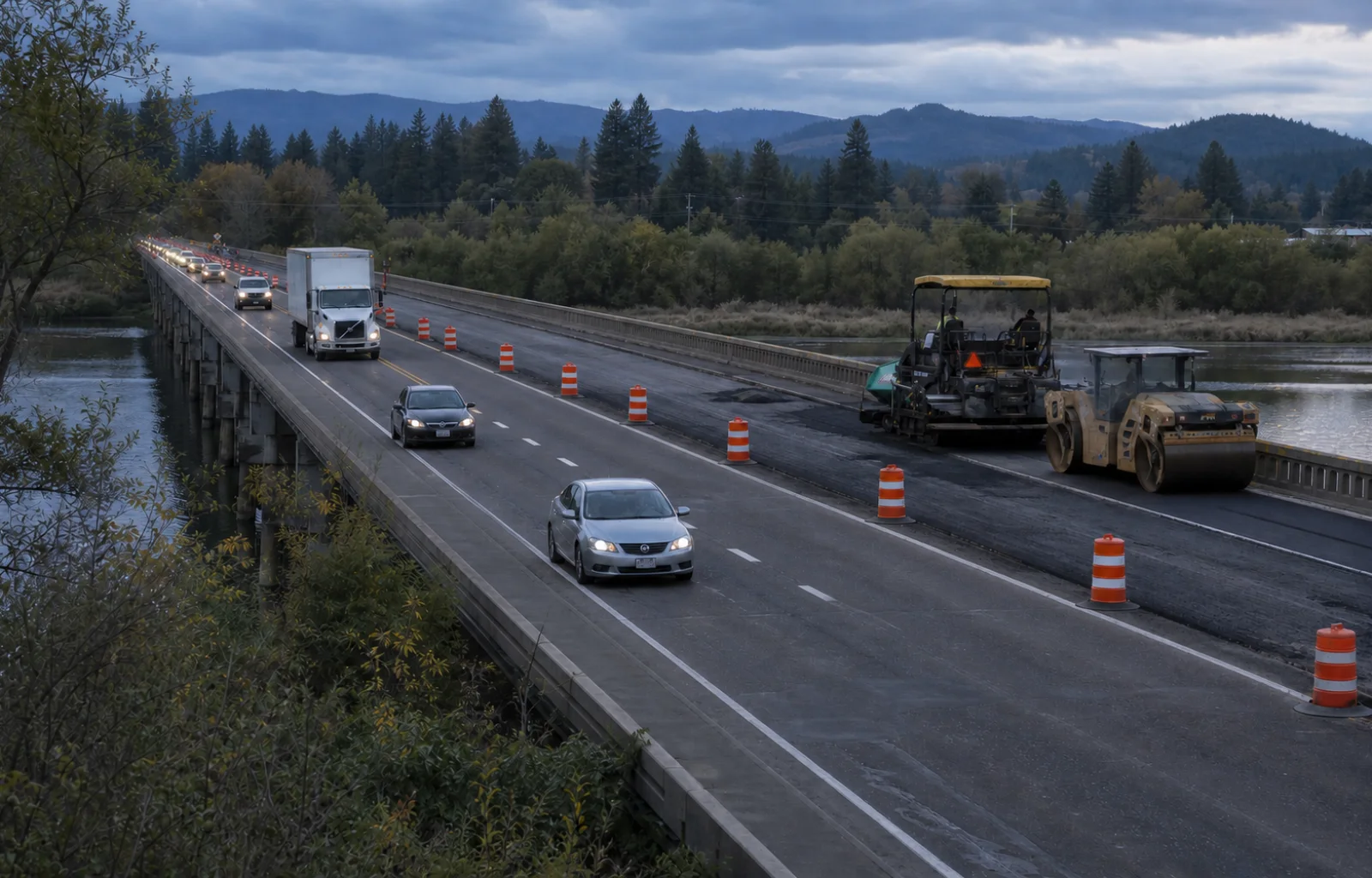
Traffic passing a separated paving work zone on a low bridge over a Pacific Northwest slough

SR 14's weekend bridge plan starts with direction

From Friday night through Monday morning, WSDOT will close one direction of the West Camas Slough Bridge at a time. The signed detour changes with the closed side, and the route decision belongs before the last open ramp.

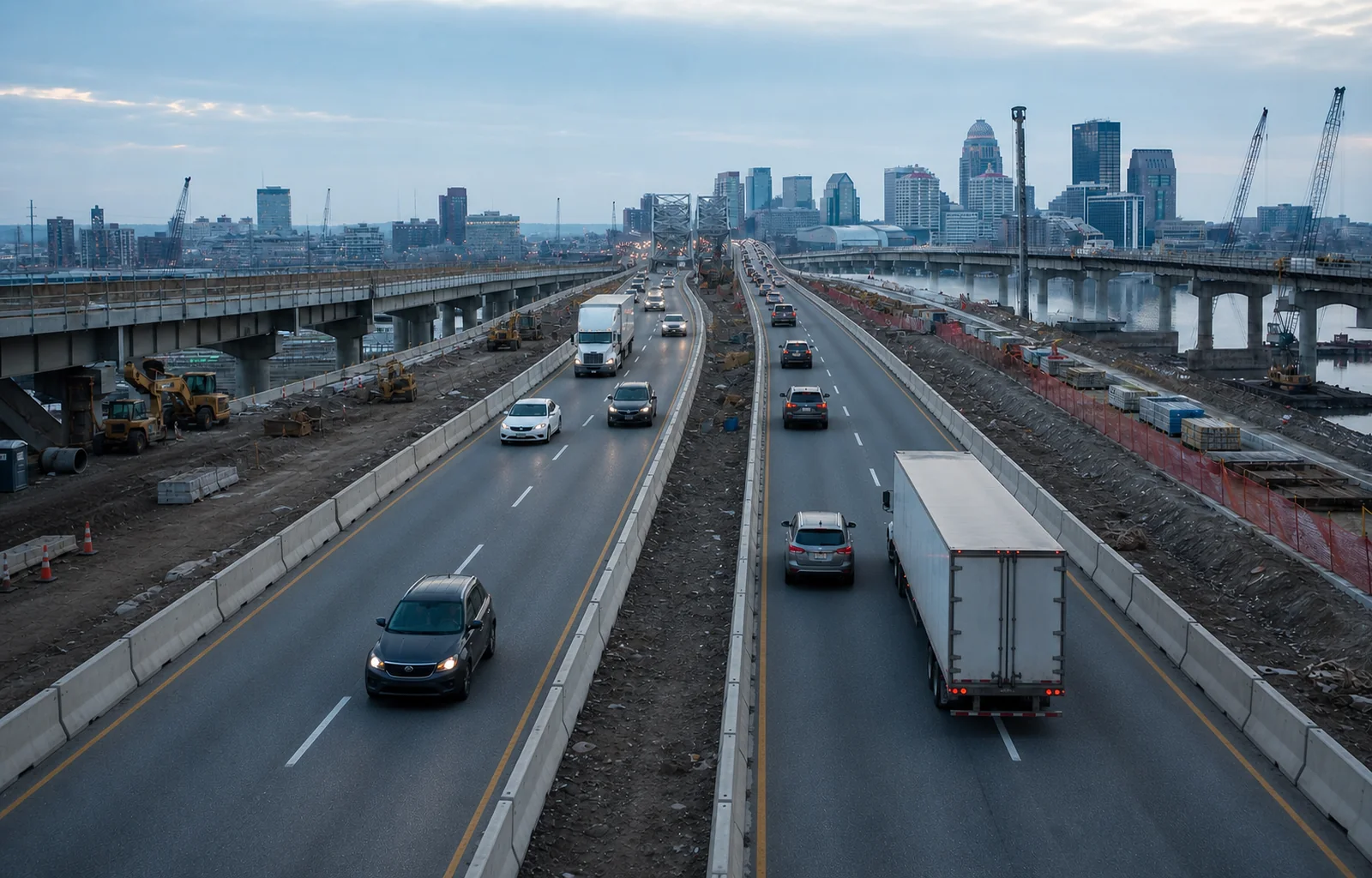
Traffic moving in two lanes each way through Louisville's I-65 Central Corridor construction zone

Louisville's open I-65 still needs a detour decision

The Central Corridor is moving again on two lanes each way, but Kentucky still recommends the signed bypass for through traffic. A separate Kennedy Bridge restriction makes the direction and ramp plan matter through August 17.

Northbound traffic using two open lanes beside a closed bridge work zone over Seattle's Ship Canal

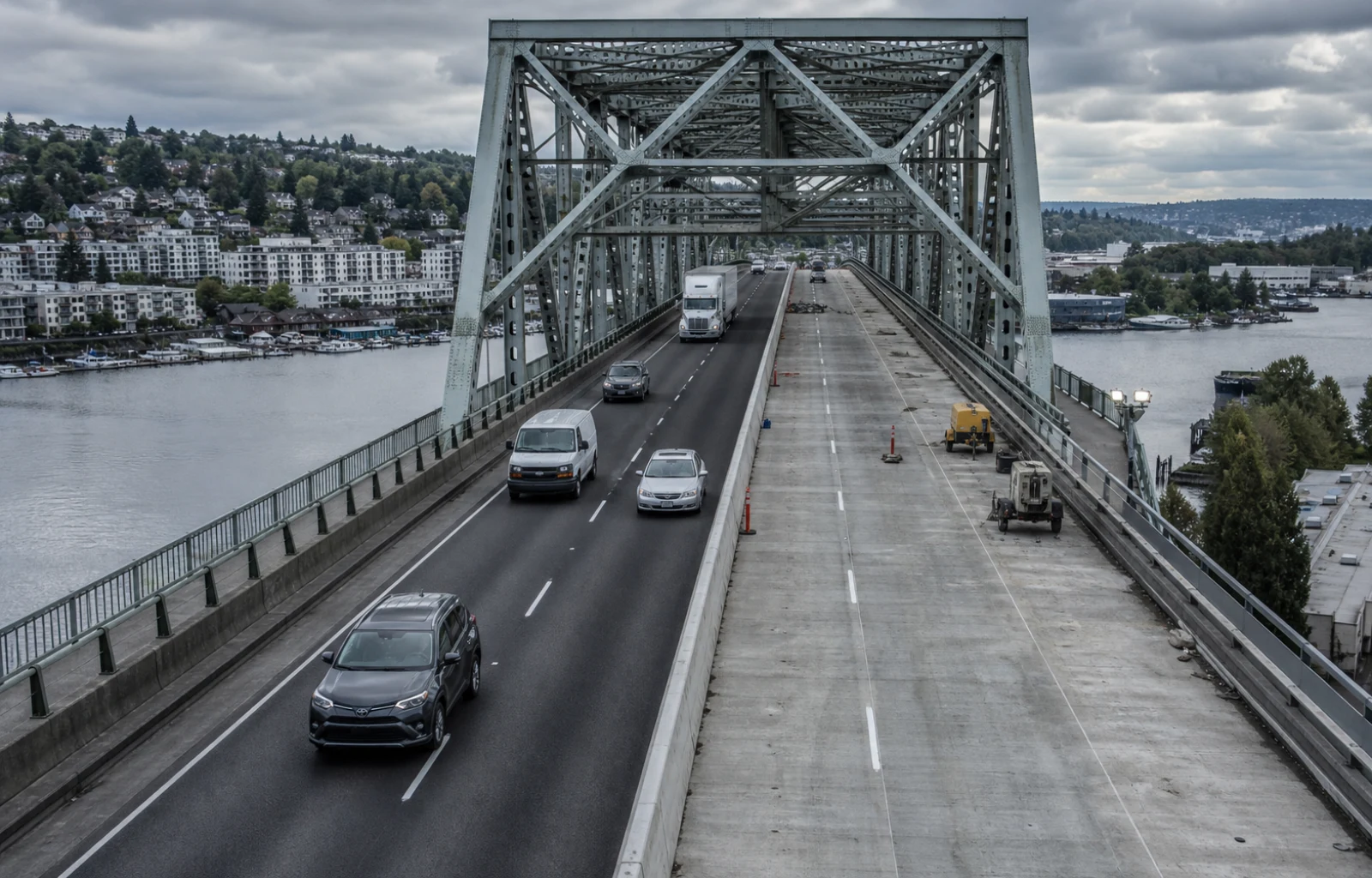
Seattle's Ship Canal squeeze starts miles before the bridge

Northbound I-5 is down to two lanes across Seattle's Ship Canal Bridge through the end of 2026. The useful plan begins before the queue, with the right access point, departure window, and recovery route.

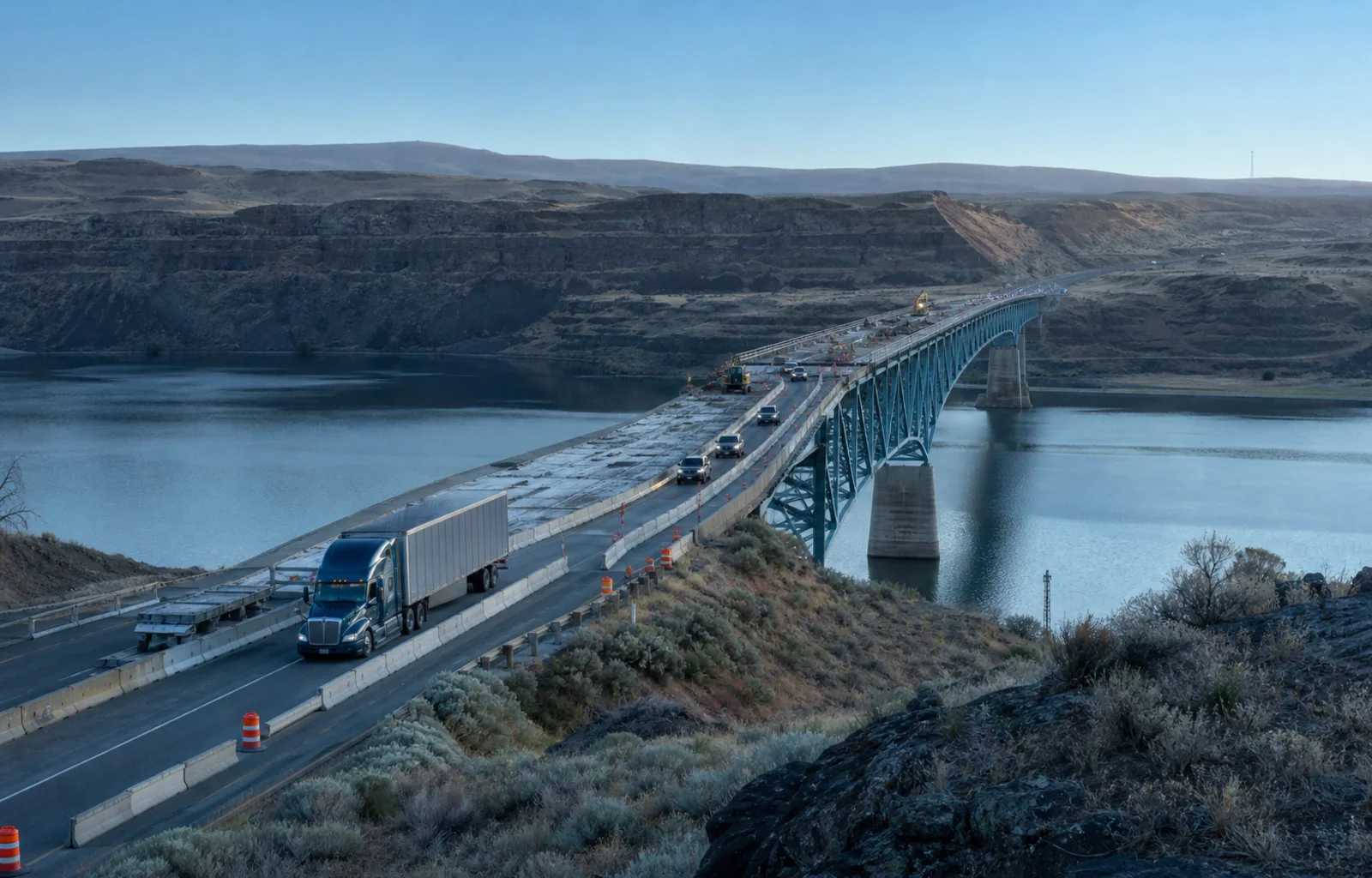
At Vantage, the nearest detour is not the shortest plan

I-90's Columbia River crossing is down to one lane each way through September 3. The useful choice is not simply bridge or bypass, but which time, route, and stopping plan can absorb the miles safely.

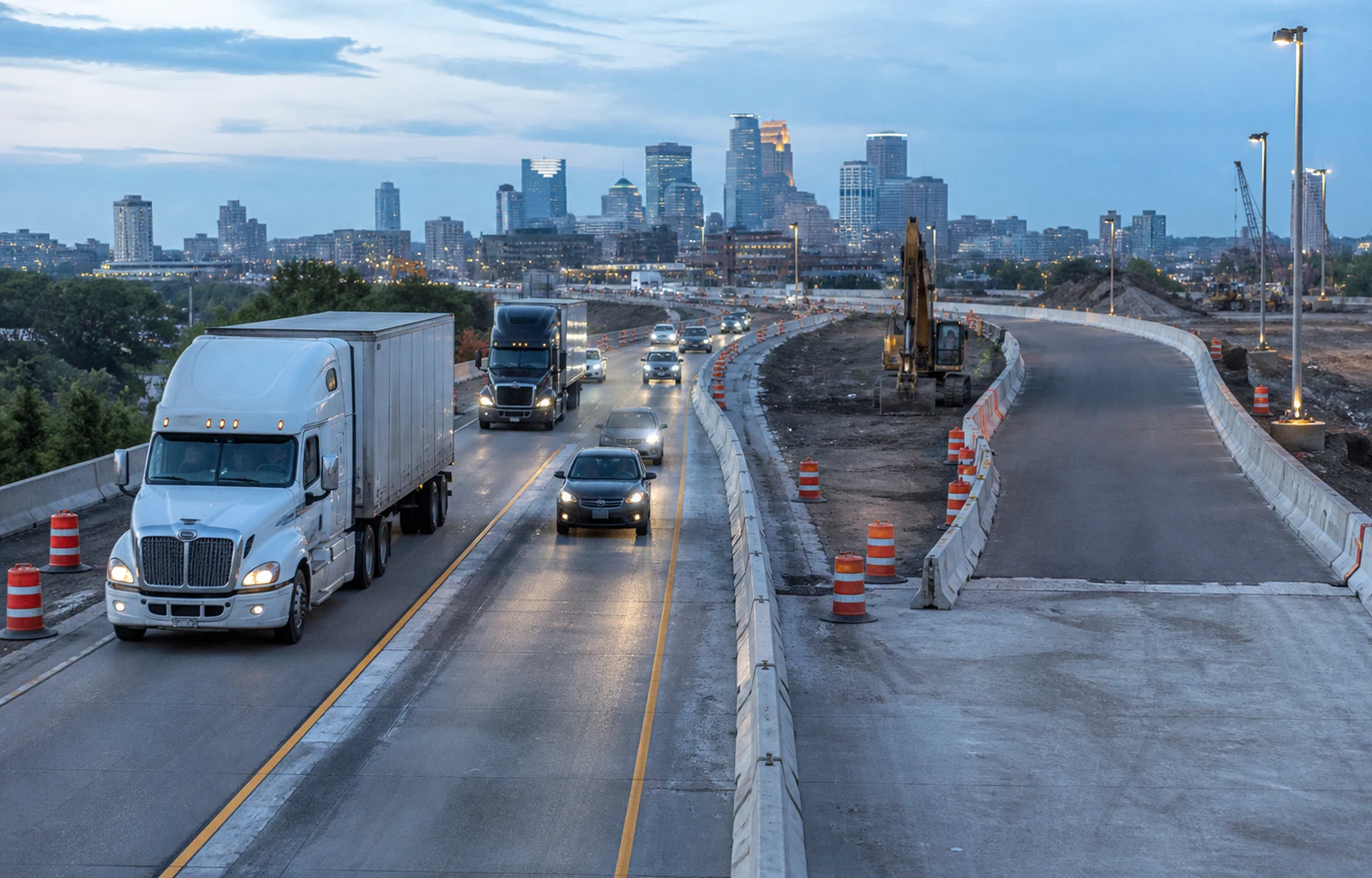
I-394's two open lanes are only half the route brief

Eastbound I-394 is running in the former E-ZPass lanes through November while key ramps stay closed. A Minneapolis delivery plan has to account for the lane shift, the interchange move, and the recovery route.

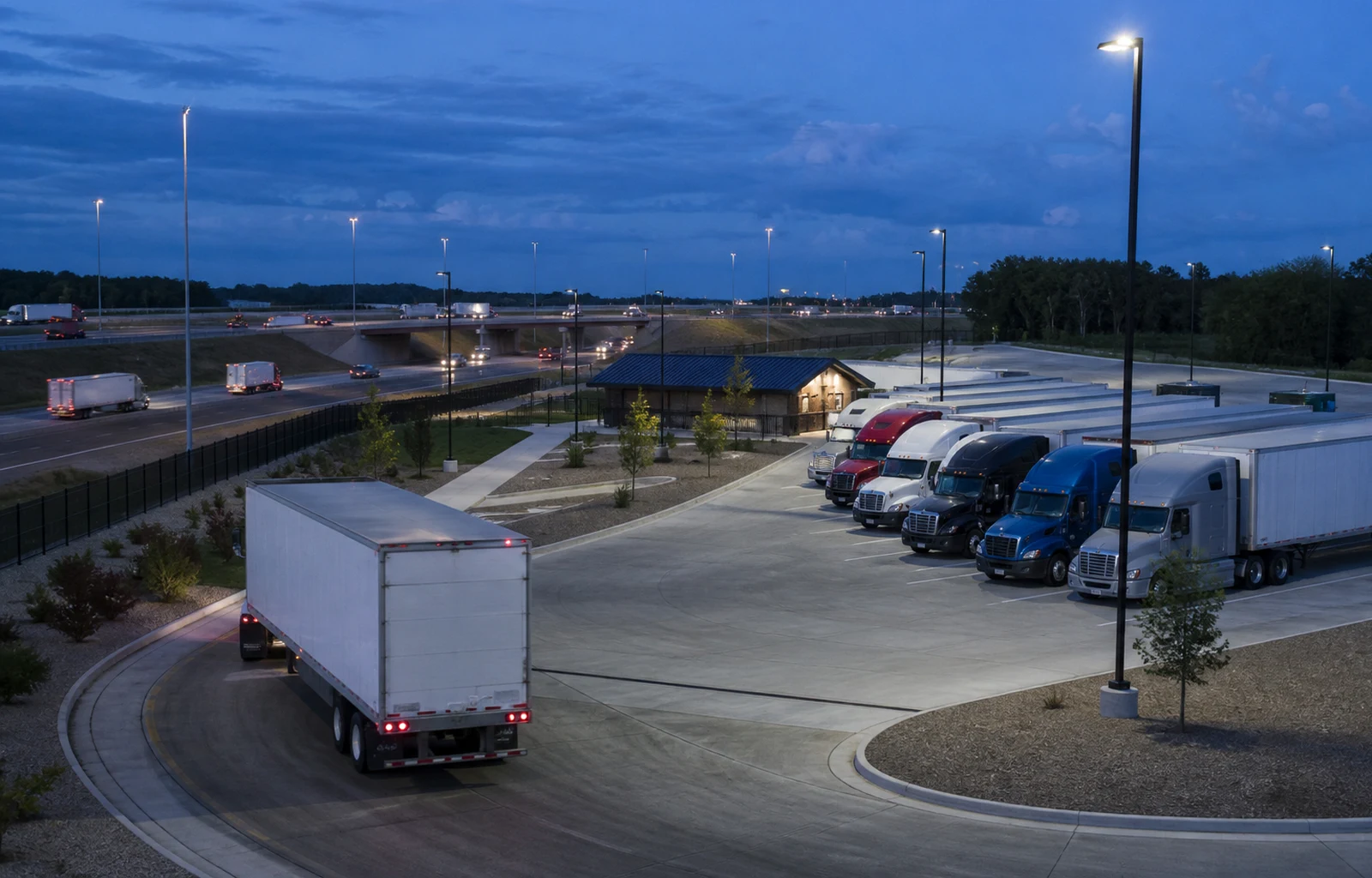
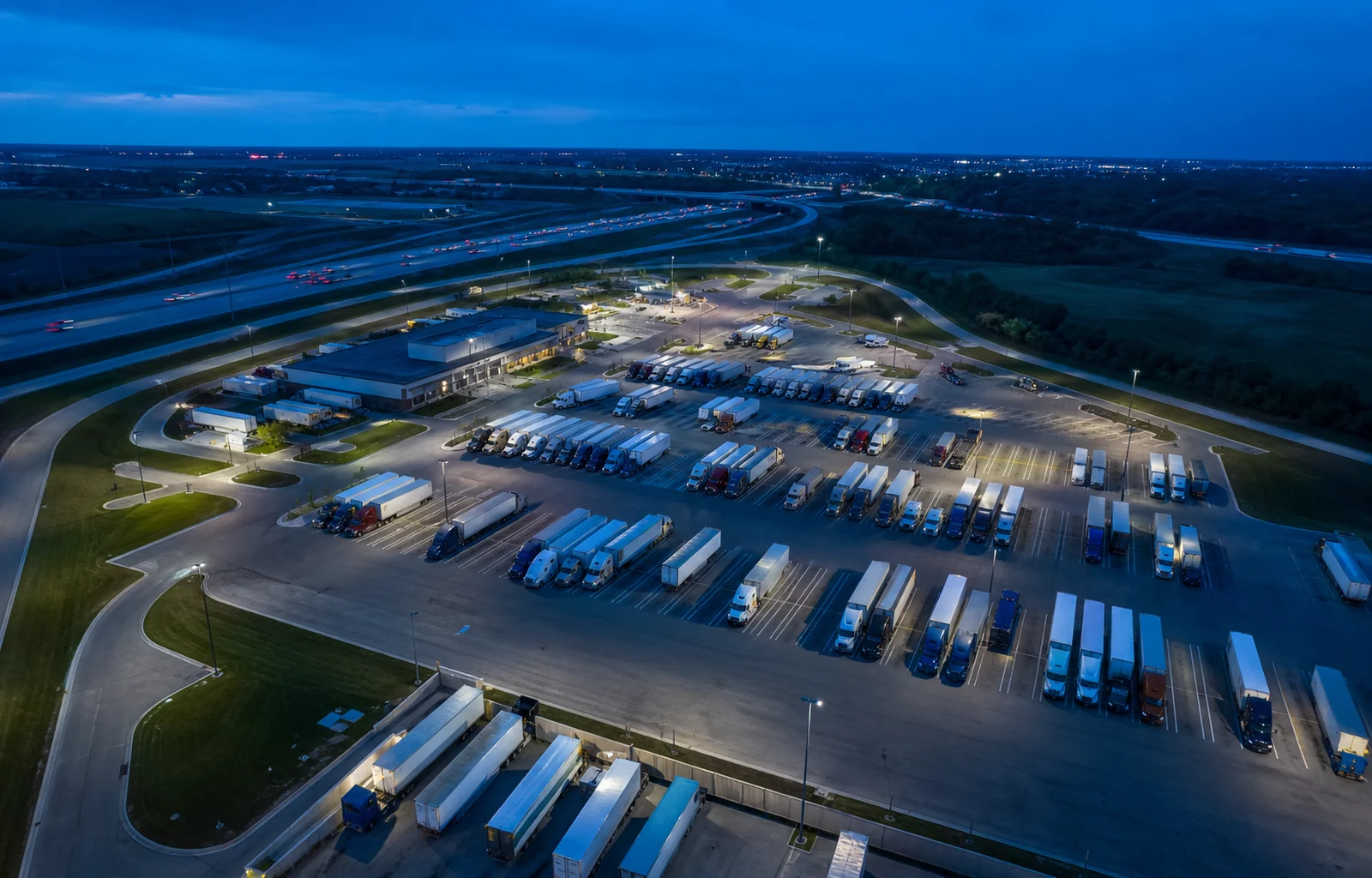
The next truck-parking dollar should follow the driver's clock

The FY 2026 INFRA program puts commercial-vehicle parking in a dedicated funding lane. The useful test is whether new capacity appears where a legal driving day actually runs out.

Chicago's I-294 counterflow belongs in the route brief

Traffic shifts on the Central Tri-State Tollway are scheduled to remain through 2026. A familiar corridor deserves a fresh briefing when its lanes no longer behave the familiar way.

A weather map is not a departure decision

Route-level weather tools can expose the worst part of a trip, but forecasts, road conditions, vehicle profile, and legal hours still have to become one operating decision.
Nevada is planning parking data before pouring every space

A draft freight investment plan identifies truck-parking availability systems on I-80 and I-15. The promise is earlier information, not a substitute for capacity.

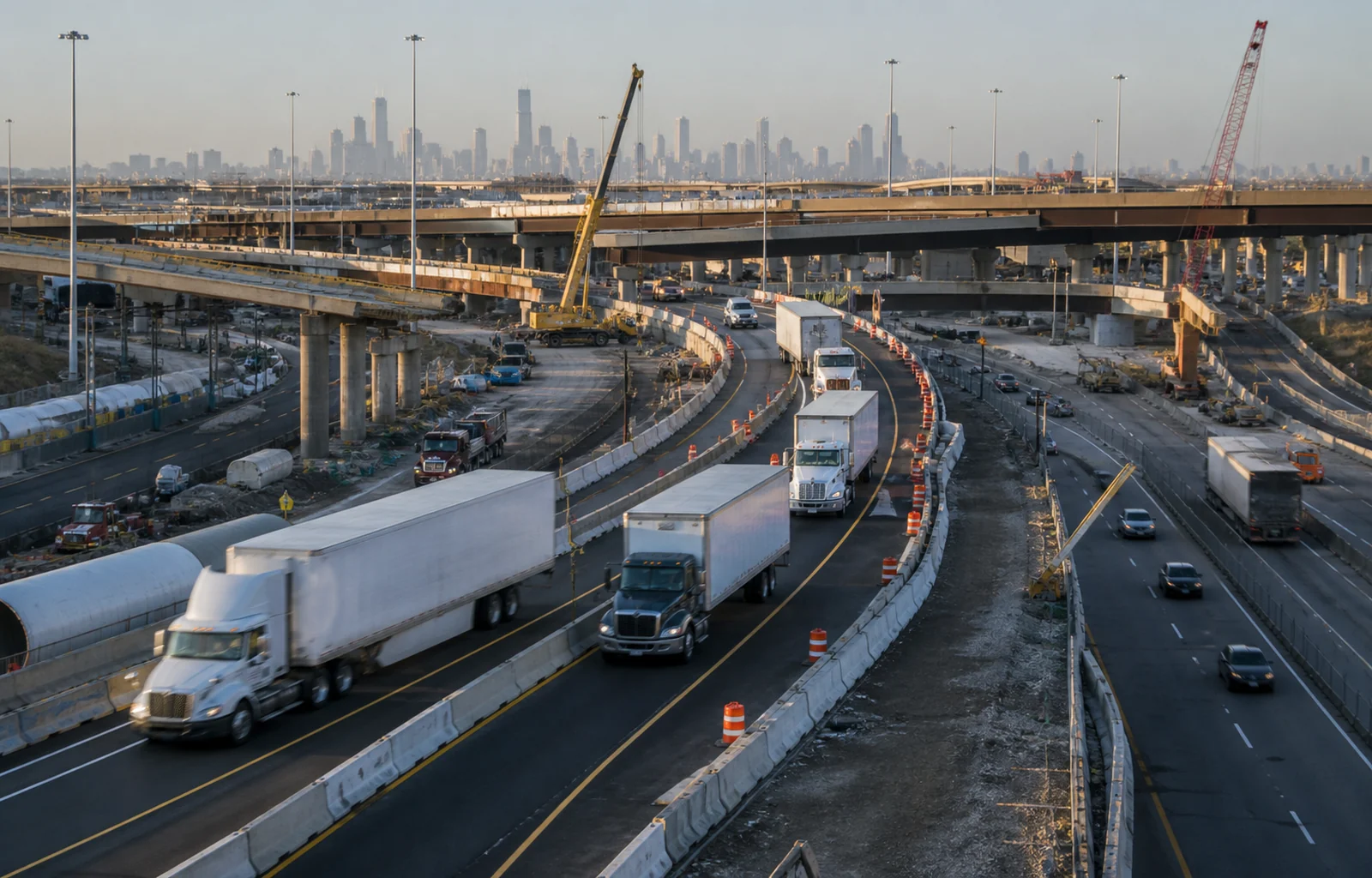
Why one closed highway ramp can disrupt a full day of deliveries

A short detour can change arrival windows, store replenishment, driver hours, and the cost of moving everyday goods—showing how one road closure creates a much wider ripple.

An Iowa detour needs a truck check, not just a blue line

U.S. 169 at U.S. 6 in Adel is scheduled to stay closed through August 21. The official alternatives begin at I-80, but the truck still needs a complete route review.

Roadside assistance belongs in the driver brief before the breakdown

Iowa's Highway Helper program shows why a fleet should know the public response options on a corridor before a disabled truck reaches the shoulder.

Truck navigation starts with dimensions, not destination

A route cannot protect a commercial vehicle if the system does not know the vehicle. Even then, signs, permits, and current restrictions remain in charge.

Work-zone intelligence has to reach dispatch before the cab

FHWA's work-zone guidance treats freight travel information as an operating strategy. The information still fails if it arrives after the truck enters the taper.

Parking availability is useful only while the driver still has choices

Florida 511 publishes truck-parking availability for designated rest areas. The fleet's job is to turn that signal into a primary stop, a backup, and a decision point.

A five-dollar diesel week needs a route plan

Fuel discipline happens before the pump: in routing, stop timing, discounts, and the miles a truck never needed to run.

Truck parking capacity is an hours-of-service tool

Central Florida’s planned I-4 spaces highlight a national operating truth: a legal day still needs a safe place to end.

Preventive maintenance is a dispatch commitment

A shop schedule protects uptime only when operations protects the shop schedule.

ELD changeovers need a driver-first checklist

When an ELD leaves the registered list, hardware replacement is only half the job.

Route miles and paid miles should not be strangers

When planned, dispatched, driven, and paid miles disagree, the difference deserves a name.

Roadside inspection readiness begins at the terminal

The calm inspection is built from ordinary habits: clean documents, known defects, and equipment the driver understands.