
Chicago's I-294 counterflow belongs in the route brief
Traffic shifts on the Central Tri-State Tollway are scheduled to remain through 2026. A familiar corridor deserves a fresh briefing when its lanes no longer behave the familiar way.
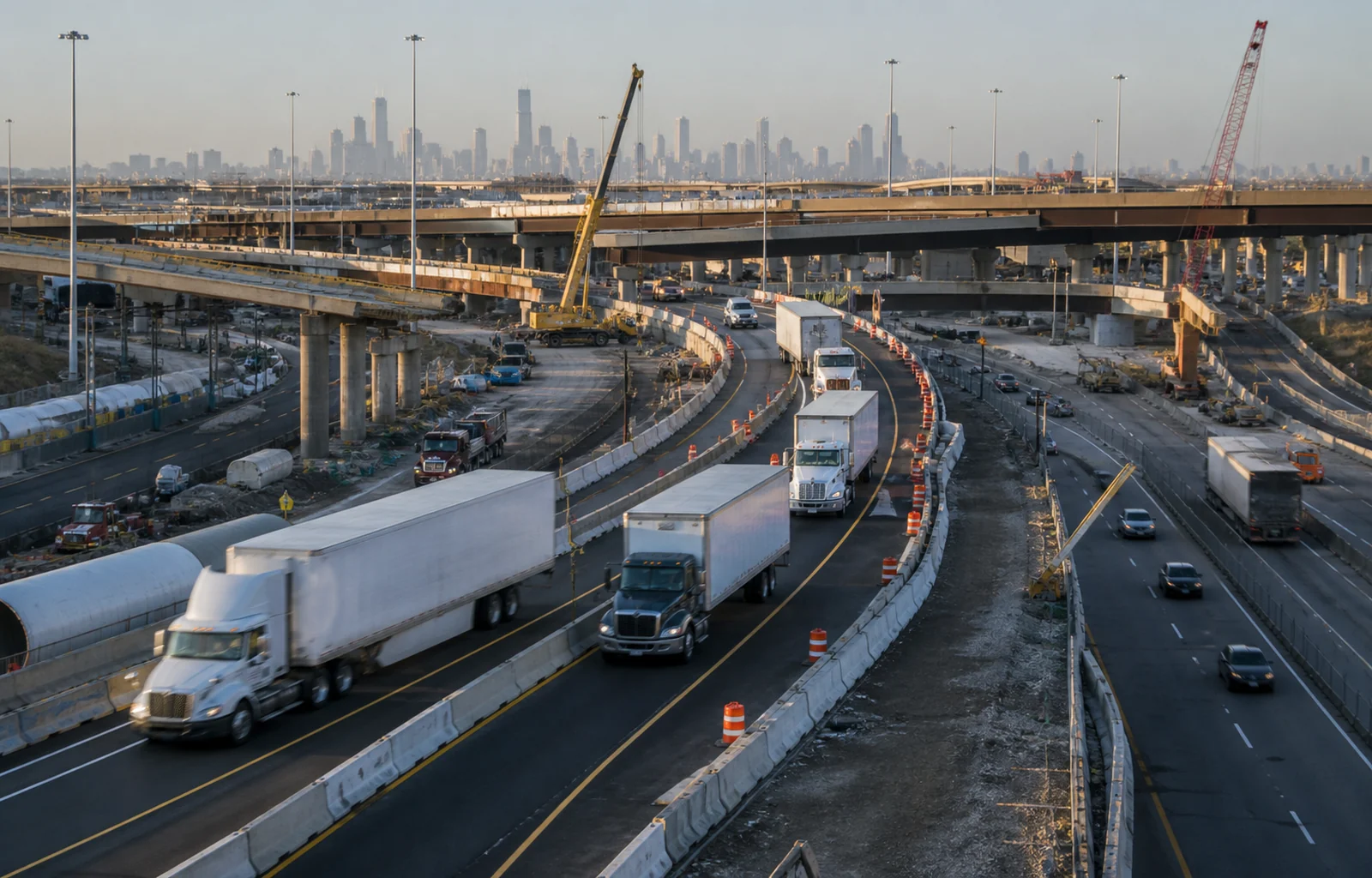
The Illinois Tollway's July construction update says traffic shifts and lane closures remain in place across the Central Tri-State Tollway project. Southbound traffic between St. Charles Road and the Cermak Toll Plaza is operating in a counterflow configuration, while northbound traffic between St. Charles Road and North Avenue is also shifted. The agency expects those configurations to remain through 2026.
For a truck that runs the corridor every week, familiarity can become the risk. A driver may know the interchange names and usual lane choices, but a counterflow setup changes where decisions happen, how much space is available, and how forgiving a missed lane becomes.
The route brief should call out the direction of travel, the affected segment, the likely time window, and the next safe place to recover from a missed movement. 'Construction on I-294' is too broad to help in the cab.
Dispatch should also review local-road dependencies. The same project update says Butterfield Road is reduced to one lane in each direction beneath I-294 through the end of 2026. A customer approach that looks like a simple local alternative may therefore carry its own constraint.
Industry sponsor Keep every mile and every document connected.
Take a closer look ↗
Keep every mile and every document connected.
Take a closer look ↗
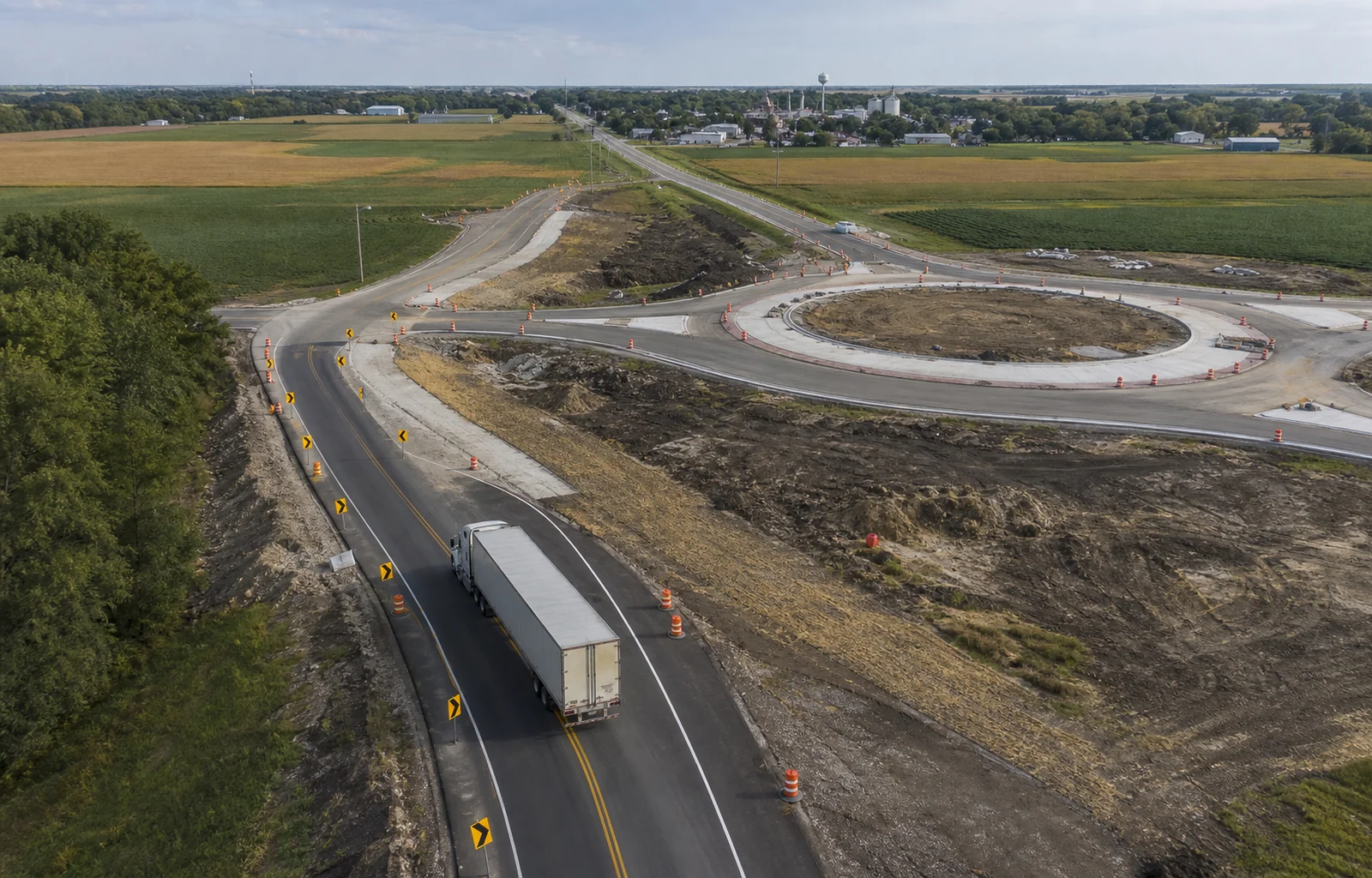
The most useful planning window is before the truck reaches the interchange complex. Confirm the Illinois Tollway's current construction alerts, check the intended ramp sequence, and give the driver one clear contingency instead of several unranked suggestions.
Appointment planning needs margin for more than average delay. Traffic shifts can change day to day as work advances, and weather can alter planned activity. A route that is on time only when every lane remains exactly as expected is not a resilient route.
After the trip, capture where the corridor created the exception. A lane shift, local-road bottleneck, customer delay, and ordinary rush-hour congestion are different causes. Keeping them separate improves the next plan.
Long construction programs are not one-time alerts. They are living route conditions. The professional habit is to make the corridor new again before every departure.
Route check
- Brief the exact direction and segment, not merely 'I-294 construction.'
- Check local-road restrictions before choosing an alternate approach.
- Record the location and cause of each exception for the next route plan.