
Why one closed highway ramp can disrupt a full day of deliveries
A short detour can change arrival windows, store replenishment, driver hours, and the cost of moving everyday goods—showing how one road closure creates a much wider ripple.
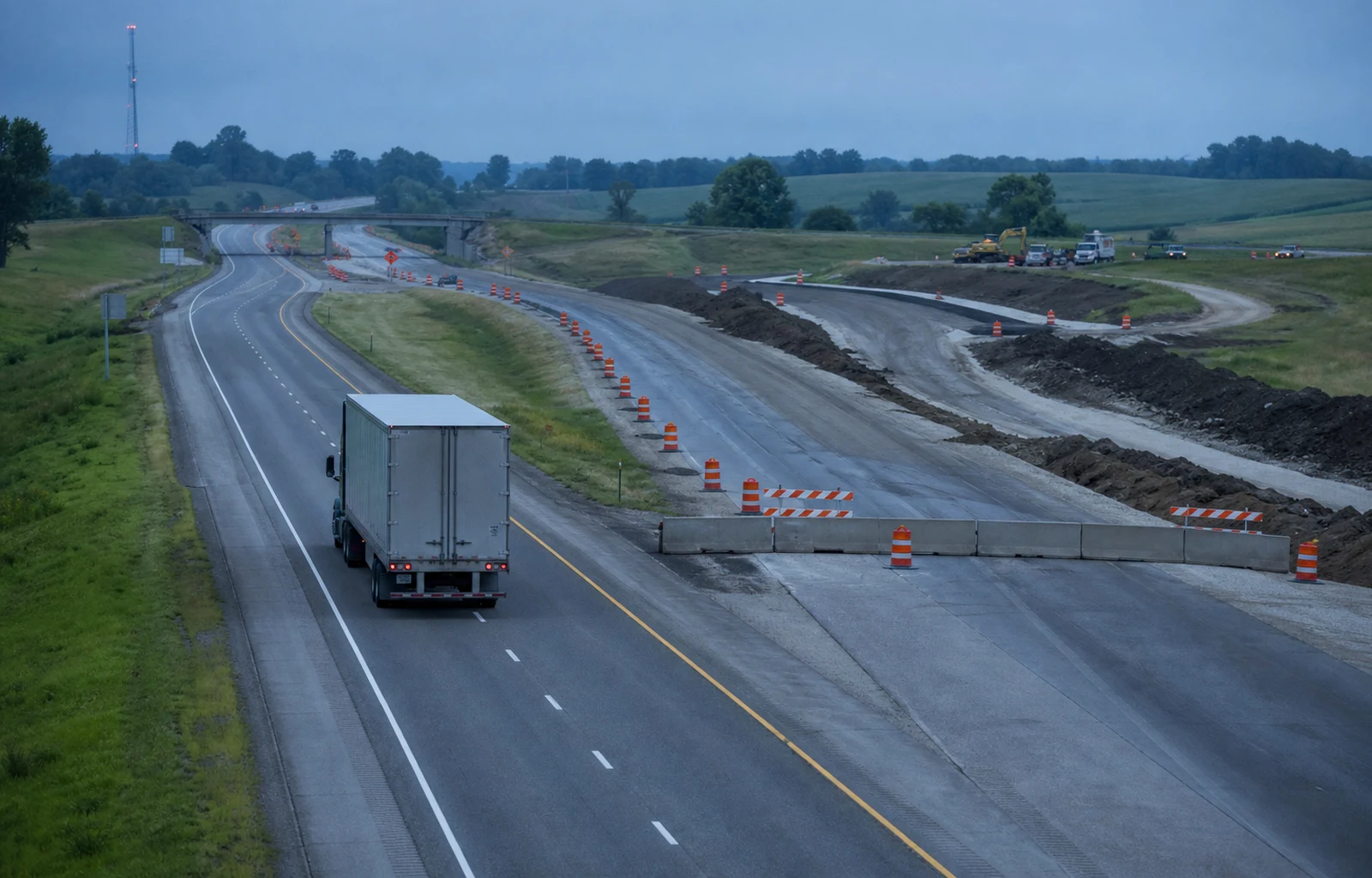
A highway ramp can look like a tiny piece of the transportation system. Close one, however, and the effects can move far beyond the interchange—into delivery windows, store inventories, construction schedules, driver hours, and the price of completing a trip.
Iowa offers a useful current example. The state transportation department says the eastbound I-80 exit ramp to Van Meter at Exit 113 is scheduled to remain closed through August 31, weather permitting. Traffic must continue to Exit 117, turn around, and return from the other direction.
For a person making one trip, that may be an inconvenience. For a truck carrying groceries, building materials, machine parts, or online orders, the extra loop can affect several appointments scheduled after that stop. A delay of minutes at the first delivery can grow as loading docks, crews, and customer time windows move out of alignment.
Large trucks also cannot improvise as easily as passenger cars. Their routes must account for vehicle height, weight, length, turning space, restricted roads, and a safe final approach. The nearest-looking shortcut may not be legal or practical for the vehicle.
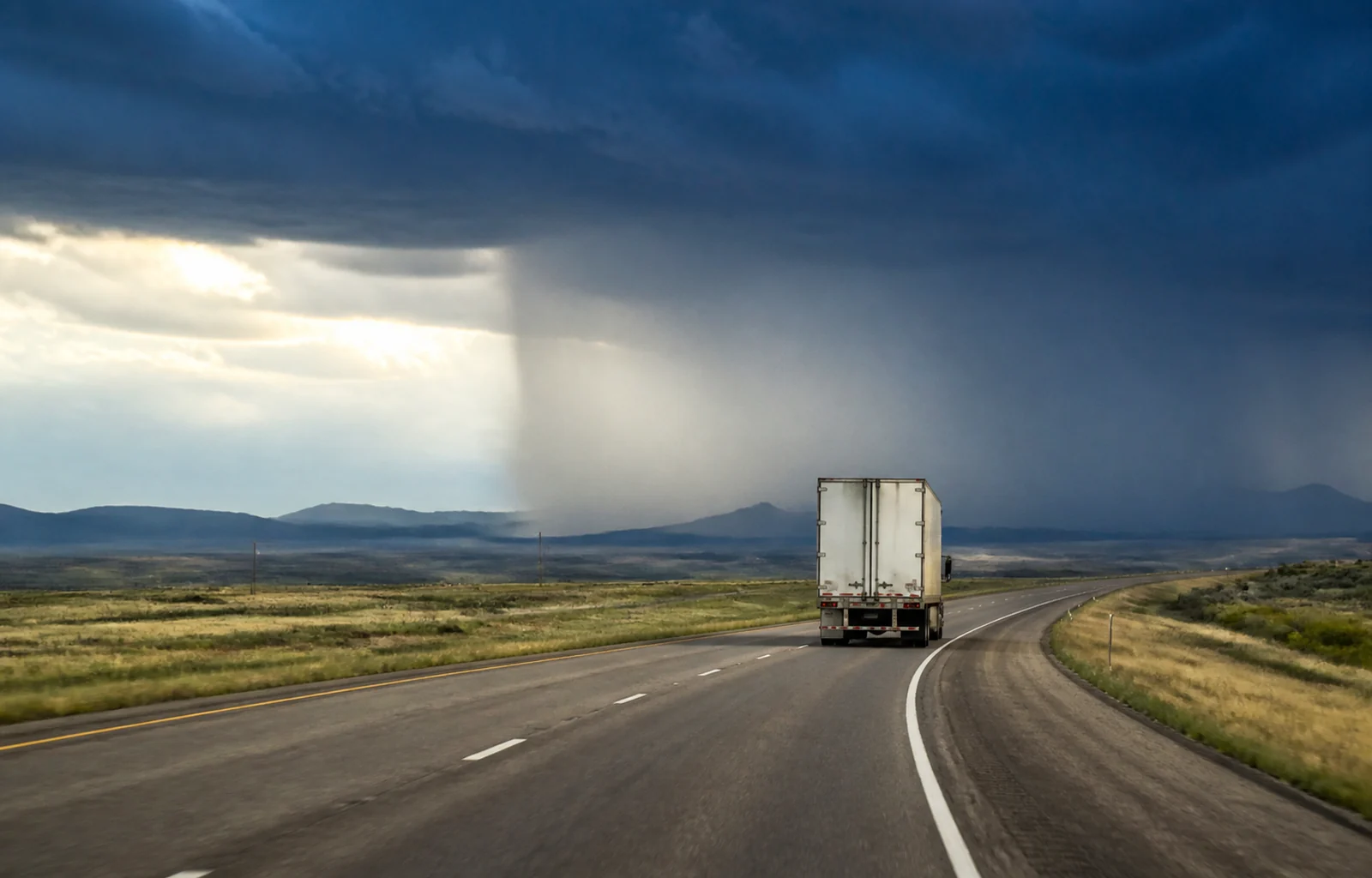
Time matters for another reason: commercial drivers operate under limits on driving and on-duty hours. An unexpected detour near the end of a work period can change where a driver can safely finish the day and whether the next appointment remains possible.
Industry sponsor From load to settlement, keep it connected.
Follow the workflow ↗
From load to settlement, keep it connected.
Follow the workflow ↗
The wider public usually sees only the result—a delivery arriving later, a service crew waiting for a part, or a store receiving fewer items than expected. The road closure itself may never be visible to the customer even though it helped create the delay.
Businesses can reduce the ripple by sharing current access instructions, allowing realistic arrival windows, and warning carriers about construction near a facility. Transportation companies can check official road information before departure and update the people waiting at later stops when conditions change.
Public road information is especially valuable when it reaches people early enough to make a different decision. A notice posted before a trip begins can support a safer route, a better appointment time, or a different delivery sequence instead of a last-second maneuver.
One closed ramp will not stop the supply chain. It does show how closely everyday life depends on thousands of small connections working as expected—and why a modest road change can have consequences well beyond the exit sign.
Route check
- Check current official road information before time-sensitive trips and deliveries.
- Give large vehicles enough time and space to follow the posted route instead of improvising.
- If a delivery is affected, communicate early so later appointments can adjust.