
Roadside assistance belongs in the driver brief before the breakdown
Iowa's Highway Helper program shows why a fleet should know the public response options on a corridor before a disabled truck reaches the shoulder.
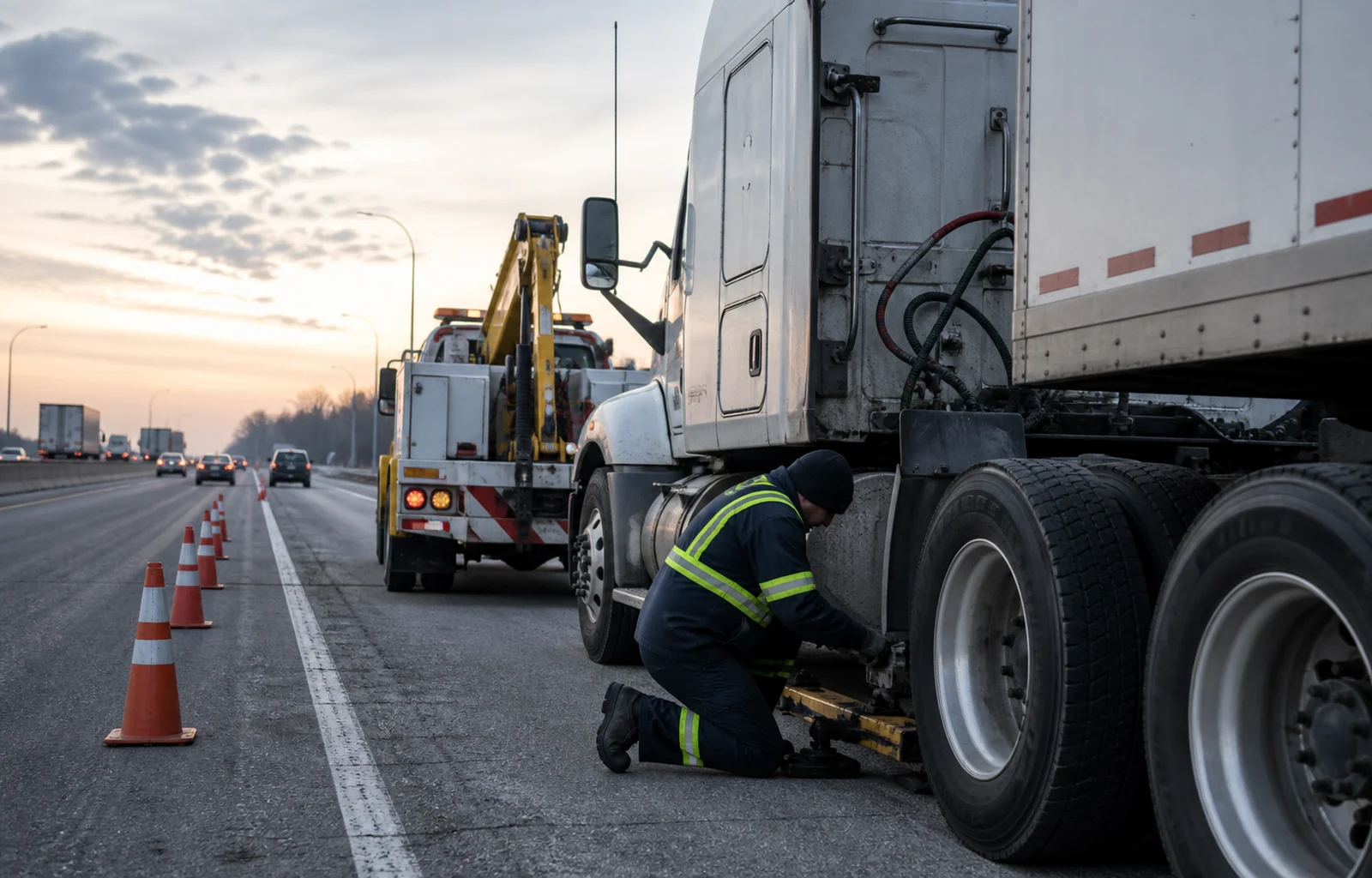
Iowa DOT's Highway Helper trucks patrol interstate and freeway systems in designated metro areas and can provide free assistance for minor crashes, disabled vehicles, flat tires, jump starts, and fuel delivery. Drivers who need help are instructed to call 911 and request Highway Helper.
Coverage is not identical everywhere or around the clock. Iowa DOT publishes regional service windows, including broad weekday coverage and additional overnight service in the Des Moines area on specified nights. A driver should not assume the same response is available on every mile.
That makes public roadside service useful information for a fleet's corridor brief. It does not replace the carrier's maintenance vendor, towing plan, emergency procedure, or responsibility to protect the scene.
Before departure, drivers should know whom to call first, what location information dispatch needs, and when to use emergency services. A vague instruction to 'call us if something happens' wastes time when the truck is already stopped in a dangerous place.
Industry sponsor One view for dispatch, drivers, and the back office.
Explore the TMS ↗
One view for dispatch, drivers, and the back office.
Explore the TMS ↗
Location should be reported in road terms: direction, interstate, nearest mile marker or exit, shoulder side, and any visible landmark. A customer address or load number does not tell a responder where the truck is sitting.
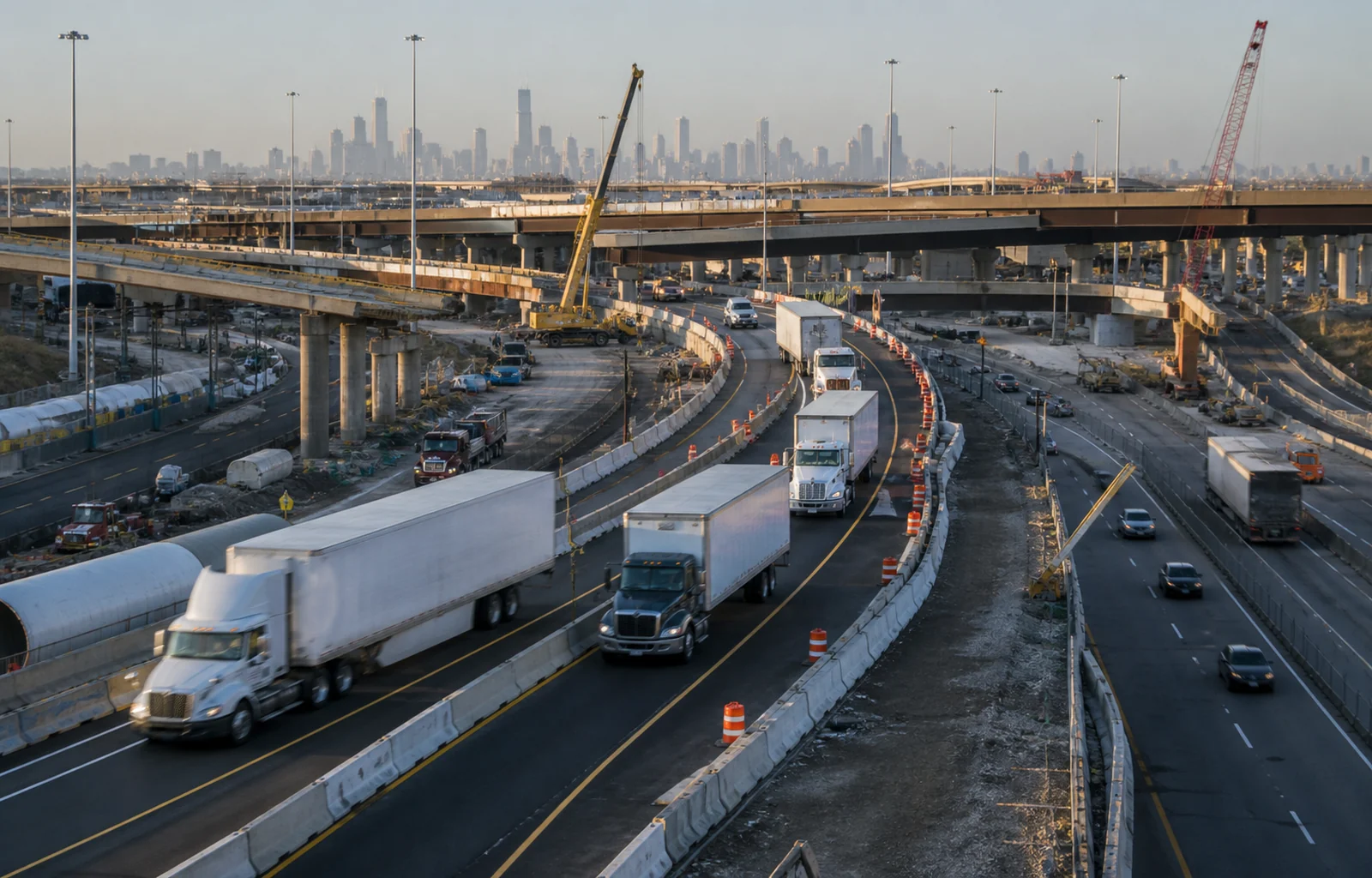
Dispatch should keep the driver focused on immediate safety while another person manages vendors, customer notification, and recovery planning. Asking the driver to coordinate every call from the shoulder increases distraction and delay.
After the truck is secure, the route plan must be recalculated. Remaining clock, repair estimate, parking options, load condition, and the next safe movement all matter more than simply getting the engine started.
Record what assistance was actually available and how long each step took. Over time, those notes reveal corridors where a different maintenance partner, spare-equipment plan, or departure inspection deserves attention.
Roadside response starts before the breakdown. The fleet that knows the corridor's public resources, private vendors, and internal decision order can turn a dangerous stop into a controlled recovery.
Route check
- Brief drivers on corridor-specific public and private assistance options.
- Report direction, route, mile marker or exit, and shoulder side.
- Recalculate clock and safe next movement after the immediate repair.