
The inspection lane has two ways to stop a trip
CVSA's 2026 Roadcheck results separate the machine from the person operating it. That distinction explains why one inspection stop can produce two different kinds of delay—and why neither side of trip readiness can stand in for the other.
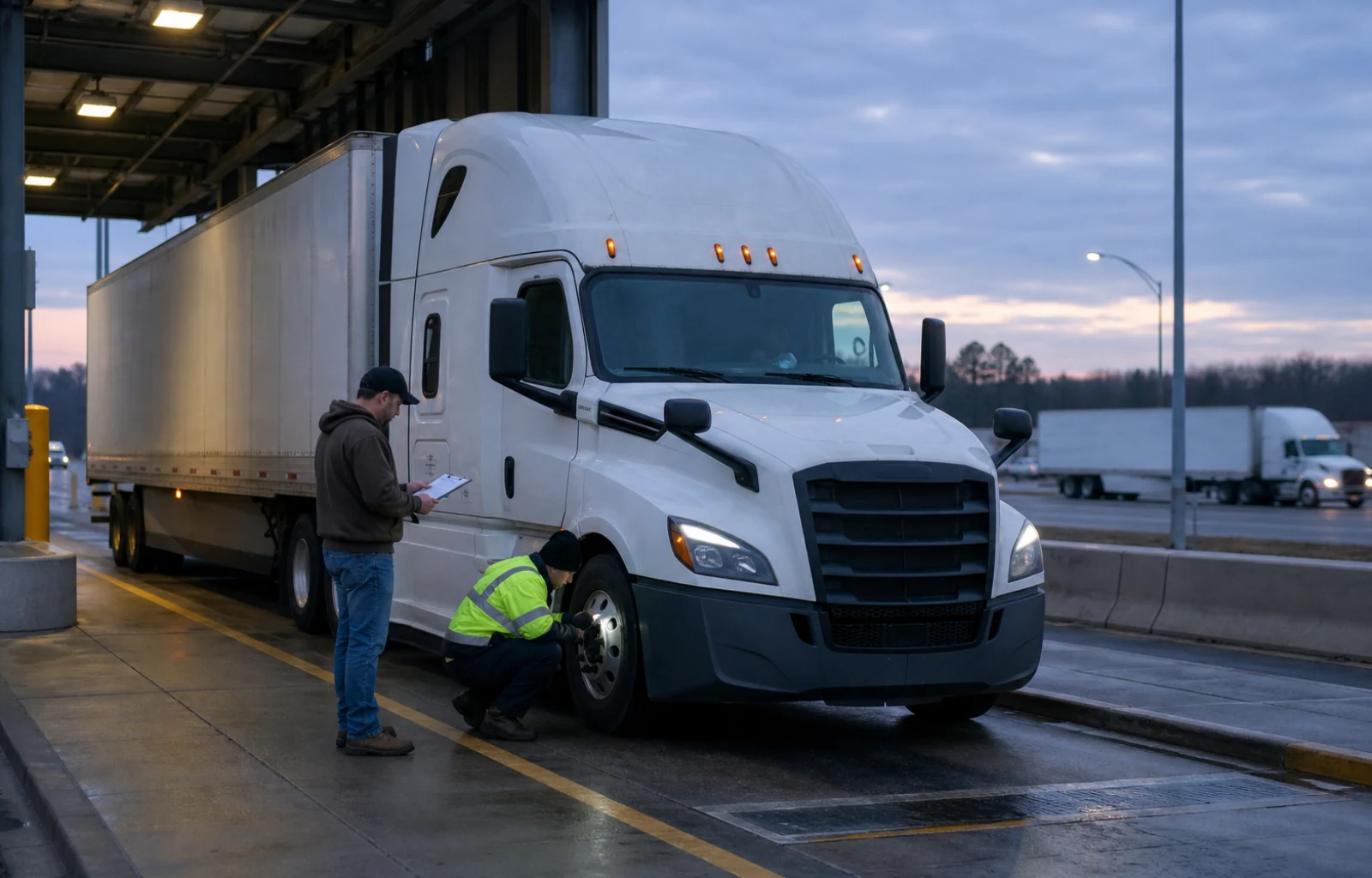
A commercial trip can be stopped in an inspection lane for two fundamentally different reasons. The vehicle may not be safe to continue, or the person at the wheel may not be cleared to operate it. The Commercial Vehicle Safety Alliance's newly released 2026 International Roadcheck results put both outcomes into the same North American snapshot without treating them as interchangeable.
Certified inspectors conducted 54,575 driver and vehicle inspections across the United States, Canada and Mexico during the three-day May event. CVSA reported that 81% of the vehicles inspected and 94.2% of the drivers inspected had no out-of-service violation. Inspectors placed 10,350 vehicles or vehicle combinations and 3,184 drivers out of service.
Those percentages are not a defect rate for every truck or driver on the continent. International Roadcheck is a concentrated inspection and enforcement event, and different inspection levels examine different parts of the operation. The results are best read as a high-volume safety snapshot of the vehicles and drivers inspectors encountered, not as a random census of all highway travel.
Industry sponsor Run the whole trip in one connected TMS.
See it in action ↗
Run the whole trip in one connected TMS.
See it in action ↗
The vehicle side shows why a roadworthy trip is more than an engine that starts. Across the Level I, II and V inspections that included a vehicle examination, inspectors found 13,924 vehicle out-of-service violations. One vehicle can have more than one violation, so the violation total is larger than the number of vehicles stopped.
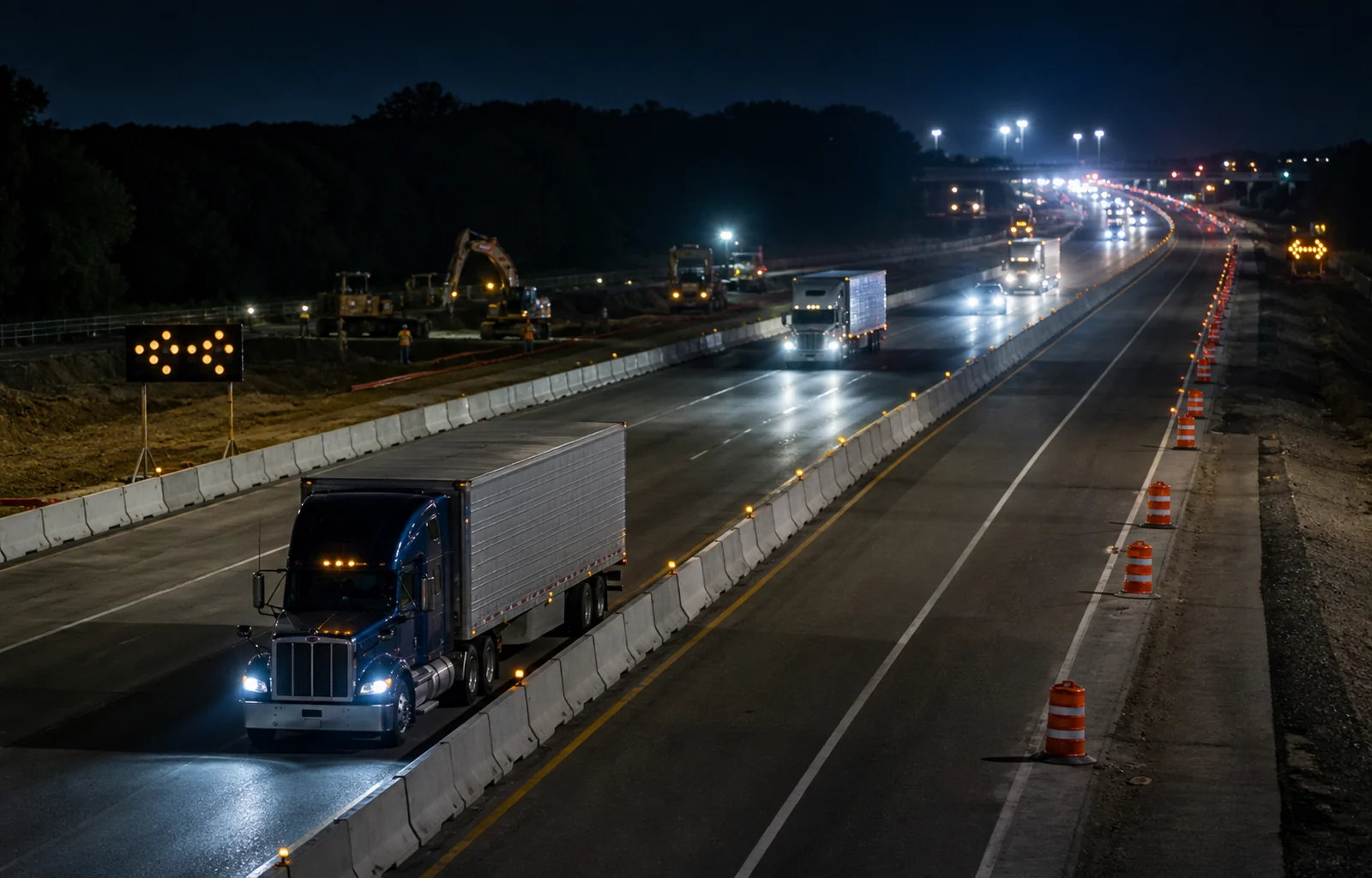
Brake systems were the largest vehicle category, with 3,379 out-of-service violations. Tires followed with 2,914, while the separate category for 20% or more defective brakes accounted for 2,072. CVSA combined the two brake categories and calculated that they represented 39.1% of all vehicle out-of-service violations. Cargo securement and lights completed the five leading North American categories.
The driver side produced a different pattern. Of the inspection levels that included driver requirements, 3,184 drivers were placed out of service. CVSA counted 3,969 driver out-of-service violations in the United States and Canada; Mexico's reported out-of-service findings in this event were vehicle violations. A missing medical card was the largest driver category, followed by hours-of-service violations and operating without a commercial driver's license.
An out-of-service order is not merely a poor score or a warning for later. CVSA says it applies when a violation is serious enough that continued operation is unsafe. The affected vehicle or driver must remain off the road until the condition is corrected or brought into compliance. That can turn one stop into a repair, a driver replacement, a documentation resolution or a combination of those responses, depending on what the inspector found.
The event also recorded 17,680 CVSA decals on eligible vehicles or combinations in the United States and Canada. Those decals indicate that a qualifying comprehensive inspection found no critical mechanical or out-of-service violation at that inspection. They do not erase the need for the next pretrip check or turn a passing truck into a permanent guarantee.
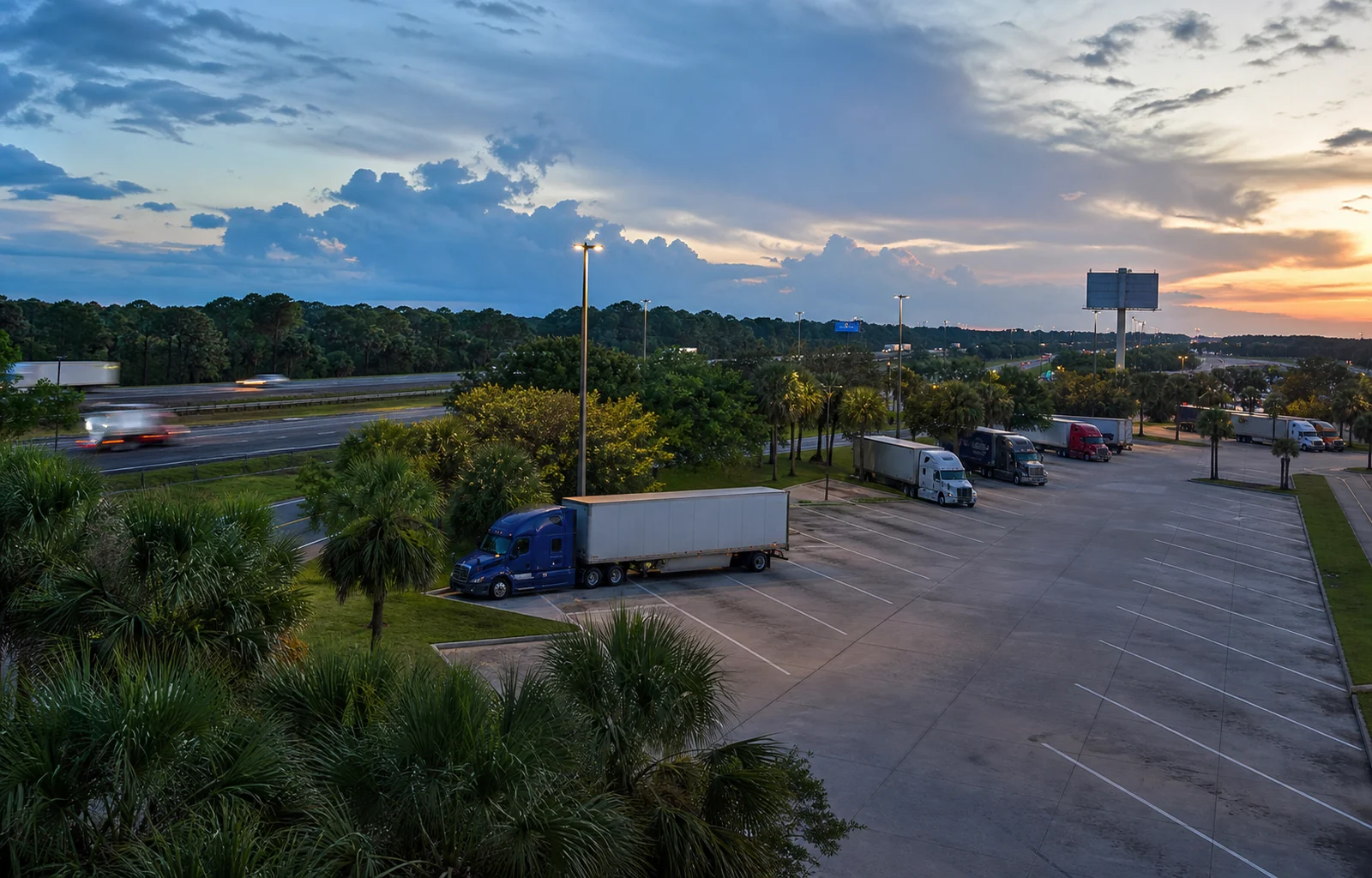
For people sharing the road with commercial vehicles, the important point is that the inspection lane tests more than one layer of the trip. Mechanical condition affects whether the machine can safely move. Driver qualifications, available hours and required records affect whether the person can legally and safely keep it moving. Cargo and hazardous-material requirements add further layers when they apply.
Reading the results as a two-part trip-readiness signal is an editorial interpretation, not a new inspection rule. The practical value is in keeping the categories separate: a sound truck does not cure a driver out-of-service condition, and a qualified driver does not cure a critical brake or tire defect. A route plan that depends on both can fail when either half fails.
Most inspected vehicles and drivers continued without an out-of-service finding, while thousands did not. Both facts belong in the public picture. Roadcheck's national value is not that every stop looks the same; it is that the same safety threshold can pause a trip before a serious vehicle or driver condition moves back into live traffic.
Route check
- Treat vehicle condition and driver eligibility as separate go-or-stop decisions.
- Read Roadcheck as a concentrated inspection snapshot, not a defect census of every truck on the road.
- An out-of-service order stops continued operation until the specific unsafe condition is corrected or brought into compliance.