
The winter chain kit needs a route and axle match
A bag of chains is only the starting point. Current Washington, Oregon and California guidance shows why a winter trip needs the right equipment, placement plan and place to stop.
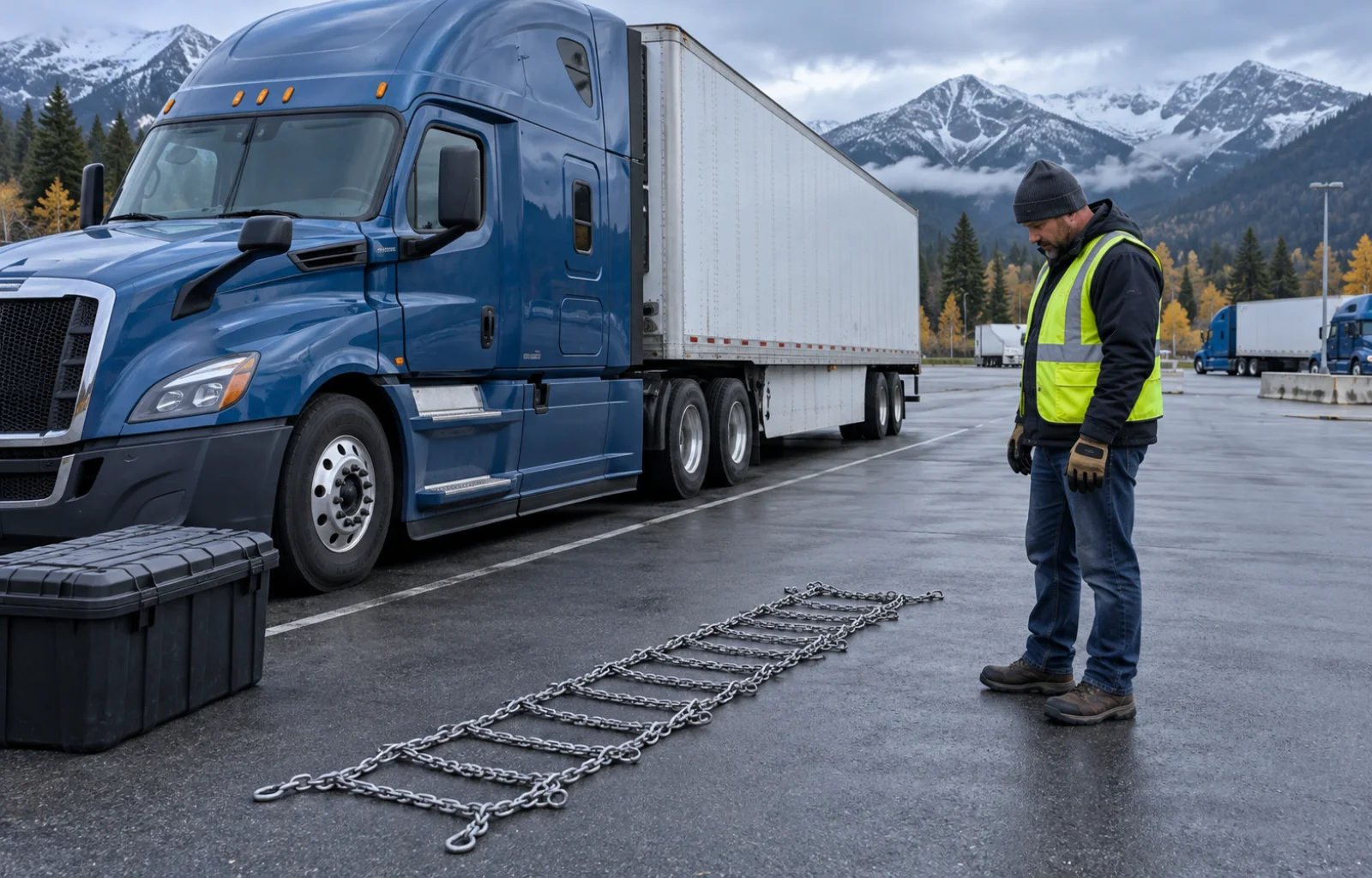
A winter chain kit can ride through several quiet trips without anyone opening it. The next trip may ask more of it: a different trailer, a mountain crossing or a control that applies to heavy vehicles while smaller cars continue. This practical resource uses state guidance verified October 14 to ask how a driver can establish that the equipment aboard matches the route and vehicle. It reports no new storm, closure or law. For families sharing mountain roads and businesses waiting for deliveries, preparation matters because a stopped truck can interrupt more than its own arrival.
Begin with the actual combination. MilesNews editorial advice: record the tractor and trailer axle arrangement, tire sizes and intended route before comparing the kit with official placement diagrams and equipment instructions. Count serviceable equipment rather than storage bags. A kit transferred from another truck deserves a fresh check; its presence does not establish fit. Resolve compatibility and installation questions through the equipment manufacturer and the carrier’s qualified support before departure, rather than improvising beside moving traffic. This is preparation advice, not a replacement for vehicle-specific instructions.
Washington supplies a concrete example of why configuration matters. Its administrative rule for vehicles or combinations above 10,000 pounds gross vehicle weight rating gives different placement requirements by axle arrangement. For a five-axle tractor with tandem drive axles and a tandem semitrailer, it requires chains on at least four drive tires, with the allowed drive-axle arrangements specified in the rule. Its trailer provision allows the chained tire on either of the last two trailer axles. The rule also requires at least two extra chains for vehicles above the weight-rating threshold. Carrying enough for the planned installation and carrying the required spares are therefore separate checks.
The Washington calendar is another distinction. On the routes listed in the rule, vehicles and combinations above 10,000 pounds GVWR must carry sufficient chains from November 1 through April 1, or at other times when chains are required. That does not mean every Washington road has the same seasonal requirement. The listed corridors include the I-90 North Bend–Ellensburg segment. An October trip still needs a current restriction check; waiting for November is not an answer to a posted control. Use the rule and current highway instructions together.
Industry sponsor Keep every mile and every document connected.
Take a closer look ↗
Keep every mile and every document connected.
Take a closer look ↗
Oregon makes the difference between carrying and using equipment explicit. Its chain-law page describes signs requiring equipment aboard in the correct size and sufficient number, as well as signs requiring installation for particular vehicle classes. Its allowance for traction tires instead of chains applies to vehicles rated at 10,000 pounds or less that are neither towing nor being towed. A loaded highway combination cannot borrow that passenger-vehicle exception. Oregon also describes conditional closures that can tighten requirements beyond ordinary restrictions; the actual control depends on conditions. Editorial advice: retain the full sign or notice wording, not a message reduced to “chains somewhere ahead.”
California adds an equipment-type question. Caltrans says California has no fixed chain-carrying dates and heavy-duty commercial vehicles do not receive a snow-tire exemption when chain controls are posted. Its guidance warns that cable chains may be unsuitable or disallowed for heavy trucks under severe local conditions; over Donner Pass, link-type chains are usually required on at least the main drive axle during controls. Automatic traction devices may also need additional outside-wheel chains to satisfy the placement chart. These are California examples, not a nationwide approval list. Check the current control and applicable chart instead of assuming a device accepted earlier is enough everywhere.
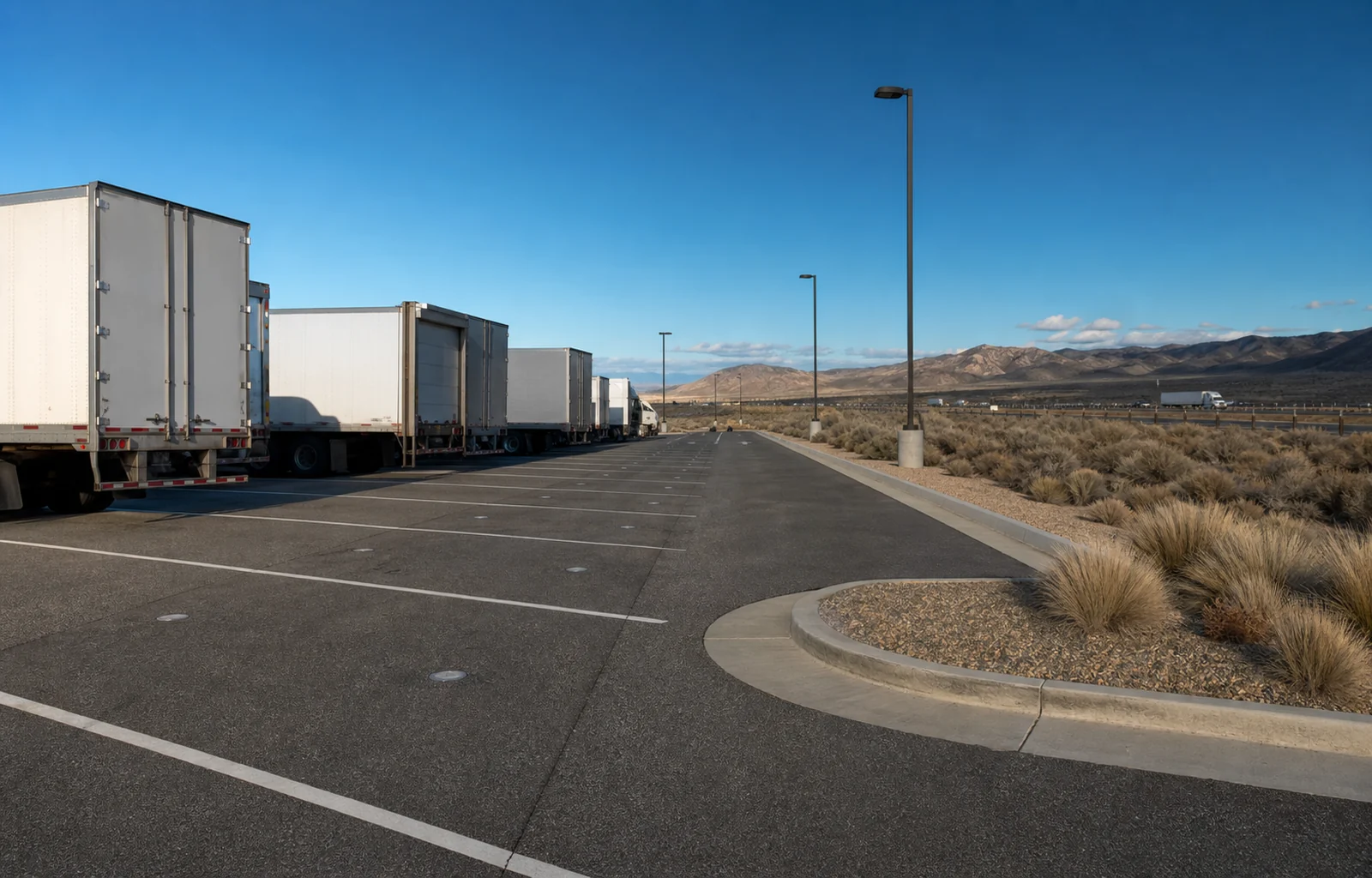
Do not build the trip around buying help at the last turnout. WSDOT’s chain-installation guidance says permitted installers are not obliged to respond when called out, and they cannot sell tire chains. Drivers therefore need their own equipment and the ability to install it. MilesNews recommendation: learn the applicable procedure in a safe preparation setting, identify designated chain-up locations and keep a suitable waiting option before the controlled segment. The presence of an installation service on a map is not confirmation that someone will be there.
The final handoff should tell the next person something useful: which combination was checked, which official placement instructions apply, whether the kit and spares are ready, and who will confirm the current road control while the driver is stopped. This is an editorial planning proposal. If equipment or conditions do not support proceeding, communicate the hold and revise the delivery estimate. Chains address traction requirements; they do not turn a closed road into an open one. The useful winter preparation happens while there is still room to change the plan.
Route check
- Match the kit to the actual axle arrangement, tire sizes and route; check installation equipment and required spares separately.
- Read each state’s carrying, installation and device rules on their own terms, along with current signs and restrictions.
- Prepare to install your own equipment and identify a suitable waiting option before entering a controlled segment.